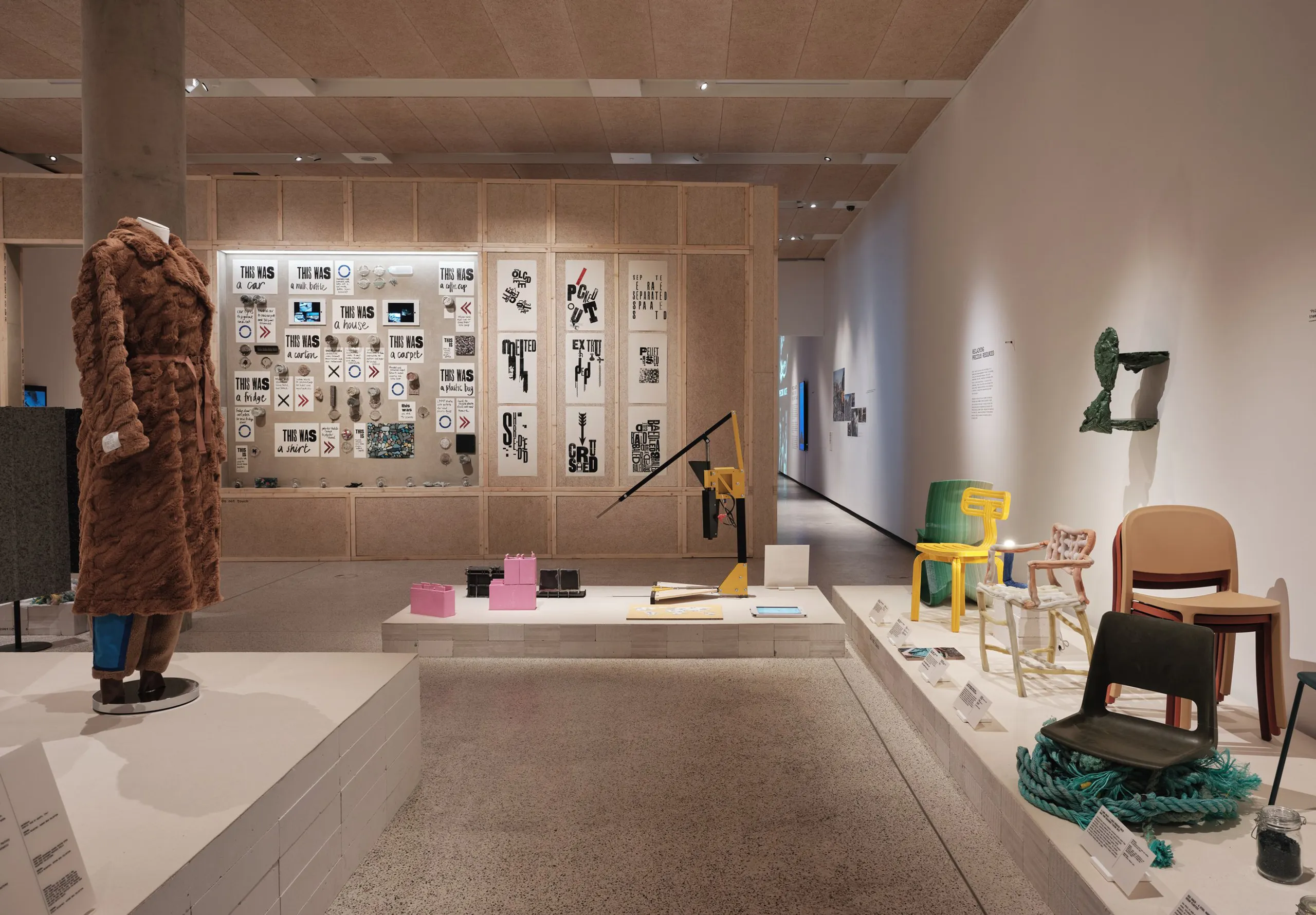
How the past readied us for EcoDesign.
EcoDesign asks designers to think differently. Yet, many of its demands feel familiar.
Constraints, compromise and intentionality have always shaped meaningful products. That same discipline that once optimised for cost and quality now sharpens its focus on impact.
In this piece, we explore how the industry has evolved to embed environmental responsibility directly into design thinking.


How established practice shapes future impact
While sustainability is often presented as a modern design challenge, it draws directly from the foundations of good design.
Industrial design and DFM have long required careful trade-offs and accountability for what follows production.
EcoDesign expands that scope. Cost, quality and performance remain essential, now joined by environmental impact and life beyond use as core design considerations.


The ultimate cost implication
Design has always carried consequence.
Every decision shapes cost, whether through tooling complexity, manufacturing time or material choice.
EcoDesign simply adds a new layer of accountability. Decisions now also carry carbon, energy and resource implications. Experience in DFM means many teams already recognise where early design choices lock in long-term outcomes.
That same discipline, applied to environmental metrics, allows impact to be addressed at the point where it matters most.

Economy of material
Using only what is necessary is a core principle of good industrial design.
Designers have long worked to opimtise wall thicknesses, reduce part counts and select materials based on performance efficiency.
Today, those same practices directly support sustainability goals by lowering embodied carbon, reducing waste and simplifying supply chains.
EcoDesign just raises the bar. Precision, restraint and optimisation remain just as valuable for environmental performance as they have always been for cost and quality.


Simplicity of production
Fewer processes, tools and components reduce energy demand, improve consistency and support reliability at scale. This discipline produces products that feel intuitive and purposeful, where form and function reinforce each other.
For EcoDesign, simplicity works as both environmental strategy and operational advantage, reducing impact while improving product clarity.
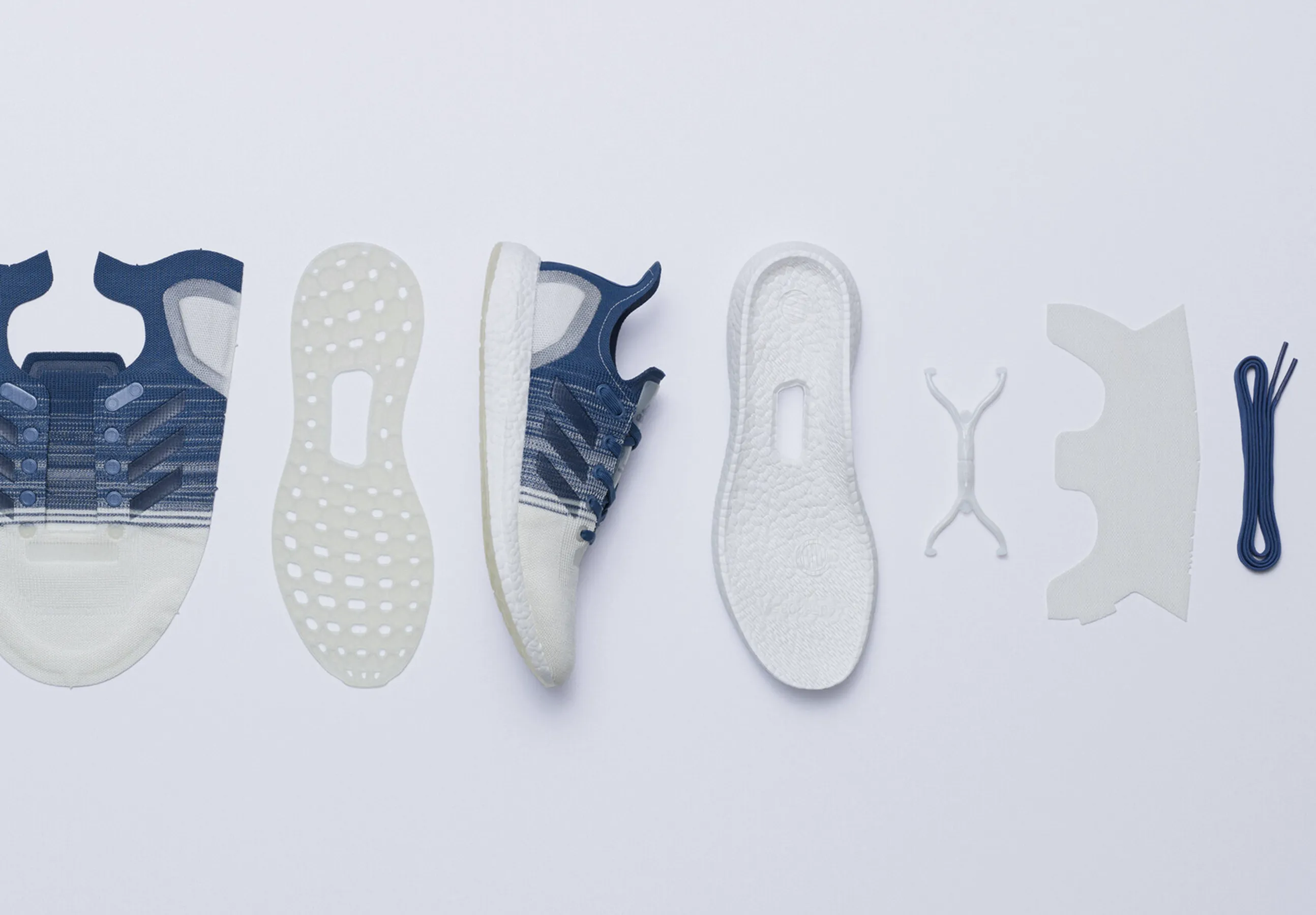


Ease of assembly and disassembly
“How will this be made?” has always been our starting question.
Now a second question sits alongside it: how will this be unmade?
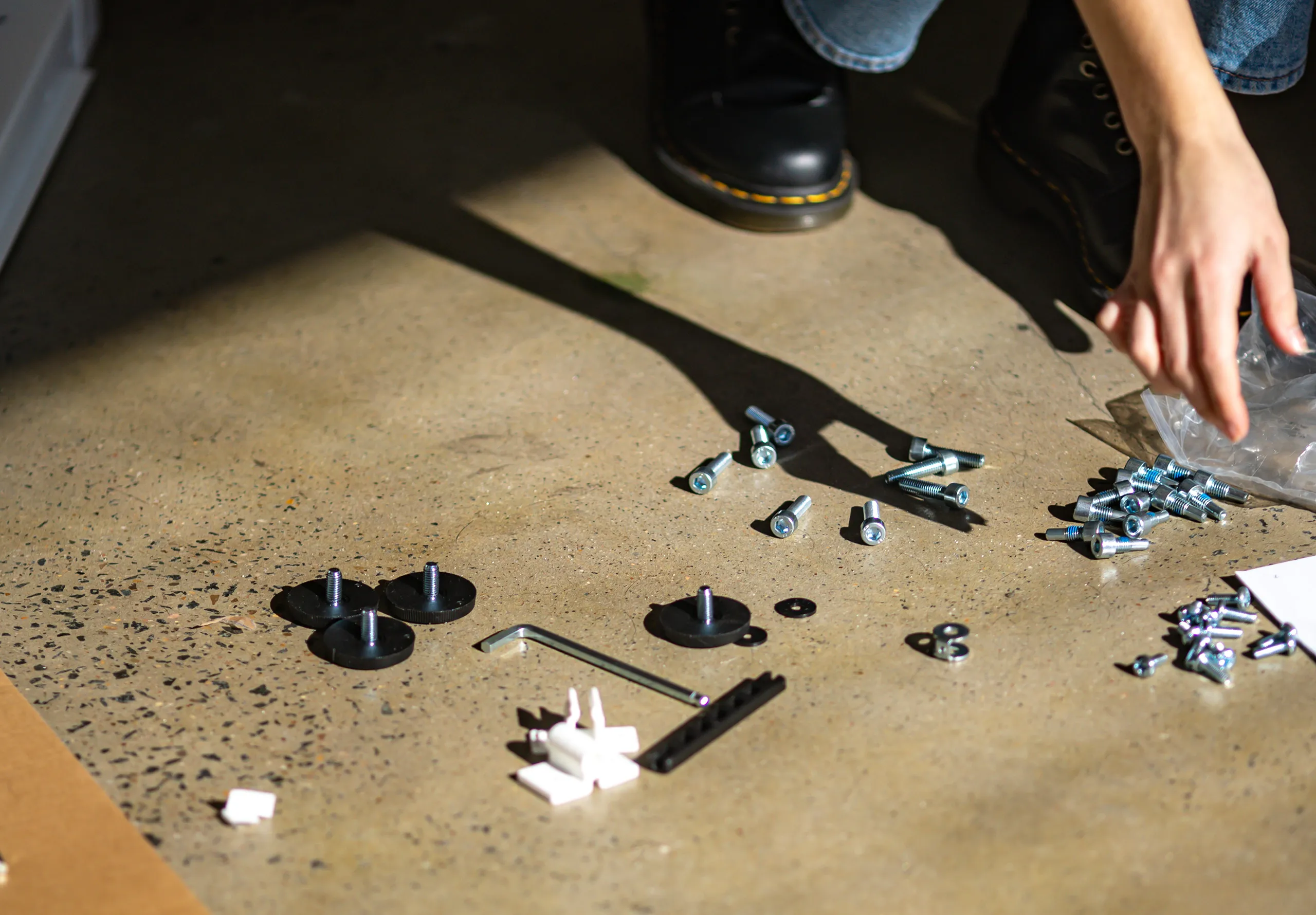
Ease of assembly is critical to manufacturing efficiency, quality control and cost reduction. Designing for disassembly extends that thinking beyond first use.
By considering how products come apart, we enable repair, refurbishment and material recovery. This bridges traditional DFM with EcoDesign principles, ensuring products are not only efficient to build, but responsible at end-of-life.



EcoDesign is the evolution of industrial design.
The depth of experience across the design community creates a strong foundation to translate sustainability ambition into practical, measurable outcomes.
The opportunity lies in applying what good design has always understood, with greater intent, to create products that perform responsibly today and remain relevant tomorrow.