Making tech feel human again
Consumer tech has been getting softer for a while.
Fabric-covered speakers, lifestyle colour palettes and matte finishes have helped devices feel more at home in our spaces and our lives. As technology becomes increasingly digital and AI-led, that physical layer is starting to matter so much more.
CMF gives technology a body. It can make something abstract feel tactile and intuitive, bringing back the human touch we lost along the way.
These four examples show where that thinking could lead…

What if tech stopped starting with a screen?
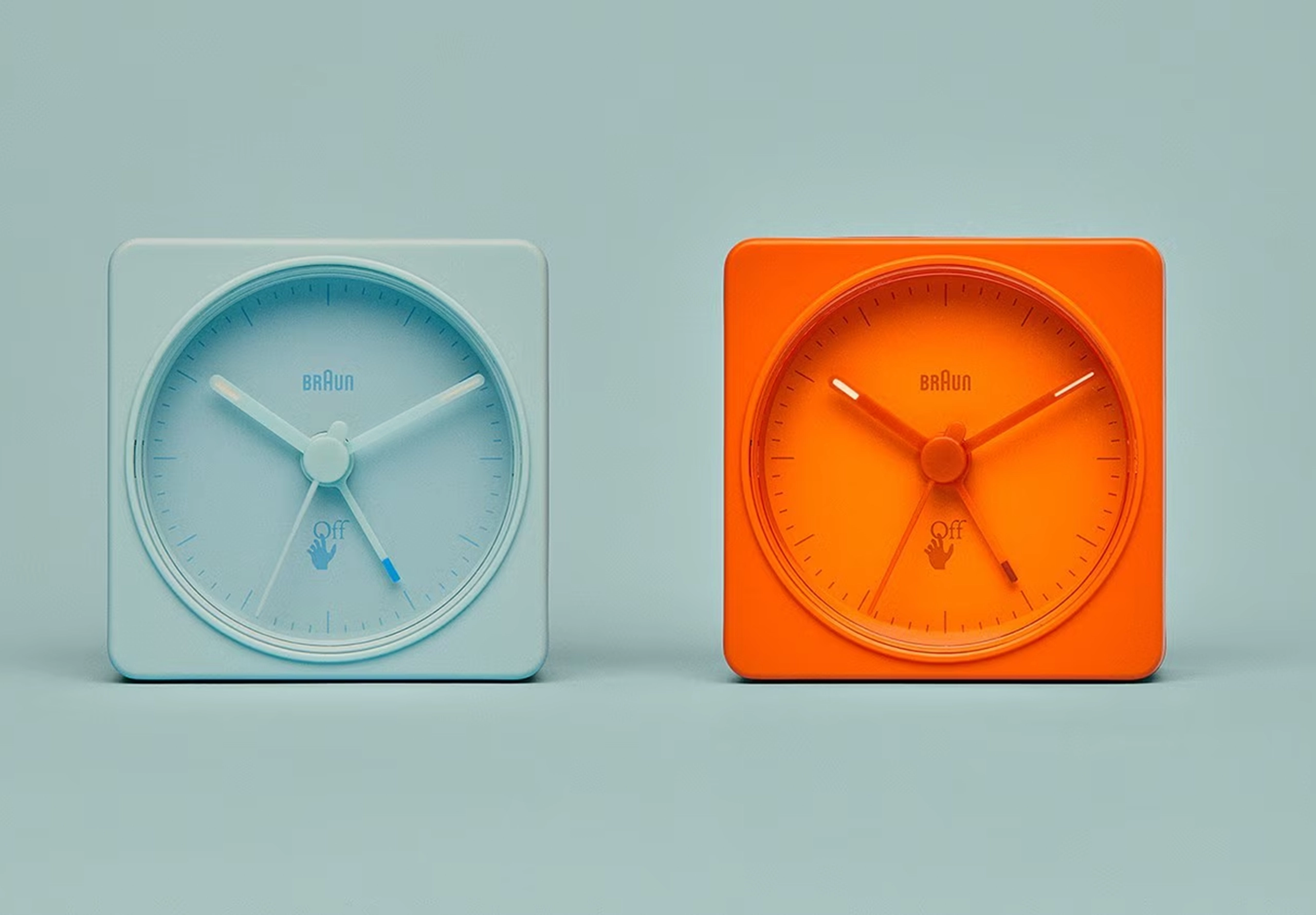
Balmuda’s Handless alarm clock swaps its display for a glowing dial machined from a single block of aluminium. Light replaces physical markers, moving across the face in a slow, pendulum-like arc. The design team traced that idea directly to the Foucault pendulum at Tokyo’s National Museum of Nature and Science, where a swing so gradual it feels almost still gradually reveals a full rotation over hours.
The ambition sits behind the bedtime routine: a device built to keep phones out of the bedroom at the hour they’re needed least. In a life crowded with screens, the value comes from slowing one moment down and giving it back some ceremony.
Credits and further reading
+ BALMUDA
+ Designboom


Sometimes an app needs something to hold
Digital products spend huge amounts of effort improving what happens on a screen. There may be just as much opportunity in asking what happens around it.
Therajoy, an app supporting remote EMDR therapy, is preparing to launch a companion object called the Pebble: a pair of palm-sized, wireless, haptic devices contoured to sit in the crease of a hand. Nothing about it feels like a gadget, and that’s the point. The soft-touch silicone of the pebble creates a sense of calm reassurance, offering a steadier anchor than a phone screen ever could.
Credits and further reading
+ TheraJoy Pebble


AI needs a physical language too
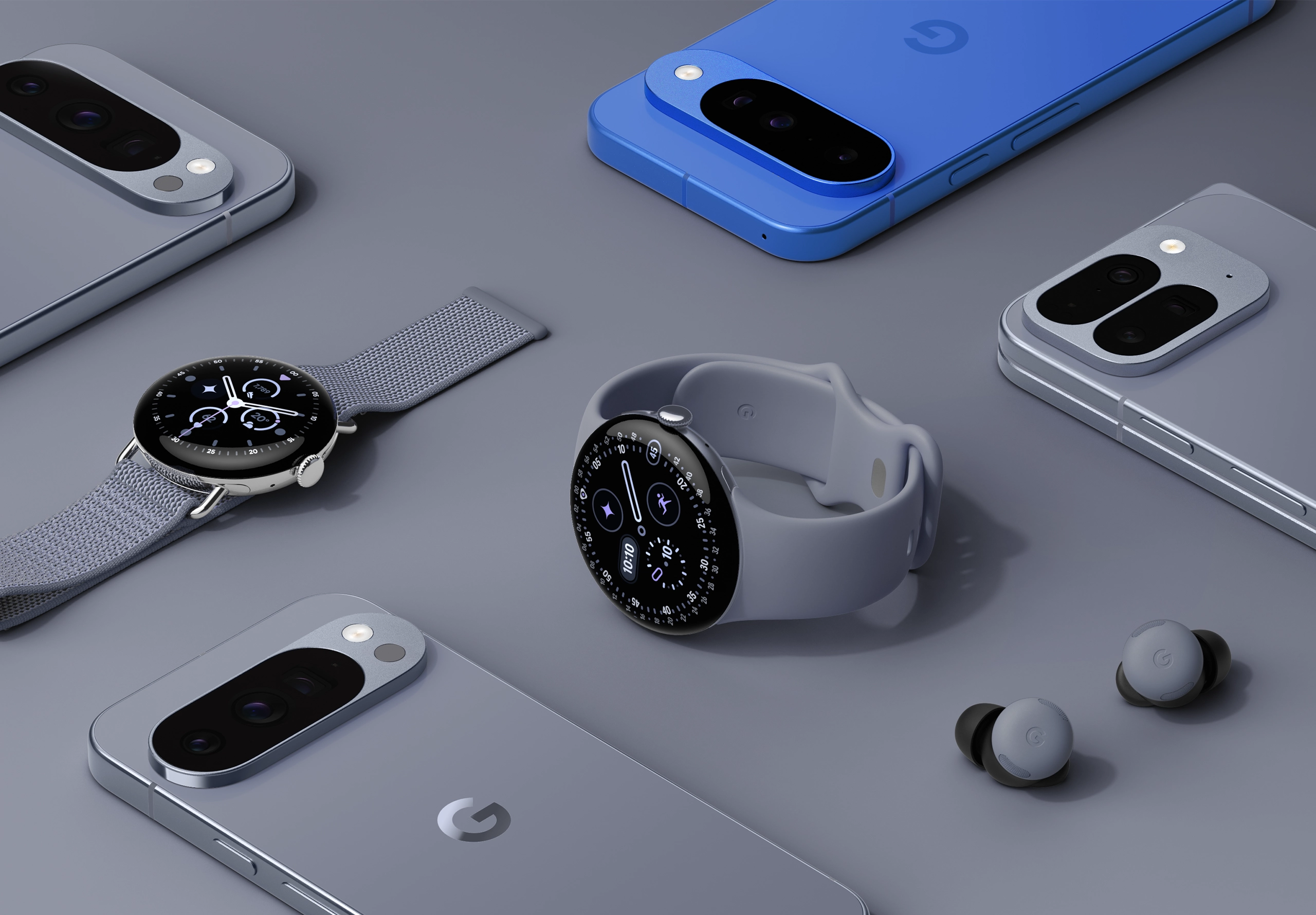
Google’s new Home Speaker carries one of the biggest shifts in consumer technology inside it: Gemini. From the outside, though, the story is remarkably domestic. A knitted textile surface softens the object, while Hazel, Porcelain, Jade and Berry colour-ways give the range enough choice to sit comfortably across very different homes.
AI is invisible by nature – and that creates a new design problem. People need to understand when a product is listening, responding or active, and those states need to feel clear without turning the object into a dashboard.
Credits and further reading
+ Google
+ Google Store


Adding personality through accessories
DailyObjects’ Stack system takes a different route. Instead of redesigning the phone itself, it builds personality around it.
Handles, stands, wallets and straps connect through a modular magnetic system, bringing strong colour, geometric forms and tactile surfaces to a product category that has become incredibly visually uniform. Accessories open that space back up, turning one fixed piece of hardware into something playful and personal.
Credits and further reading
+ Red Dot
Bringing feeling back into tech
For years, technology has worked hard to become frictionless. Perhaps the next opportunity is to design some feeling back in. That is where CMF becomes much more than a finishing layer. It can make technology feel understandable, desirable and genuinely good to live with.