... and when to break them.
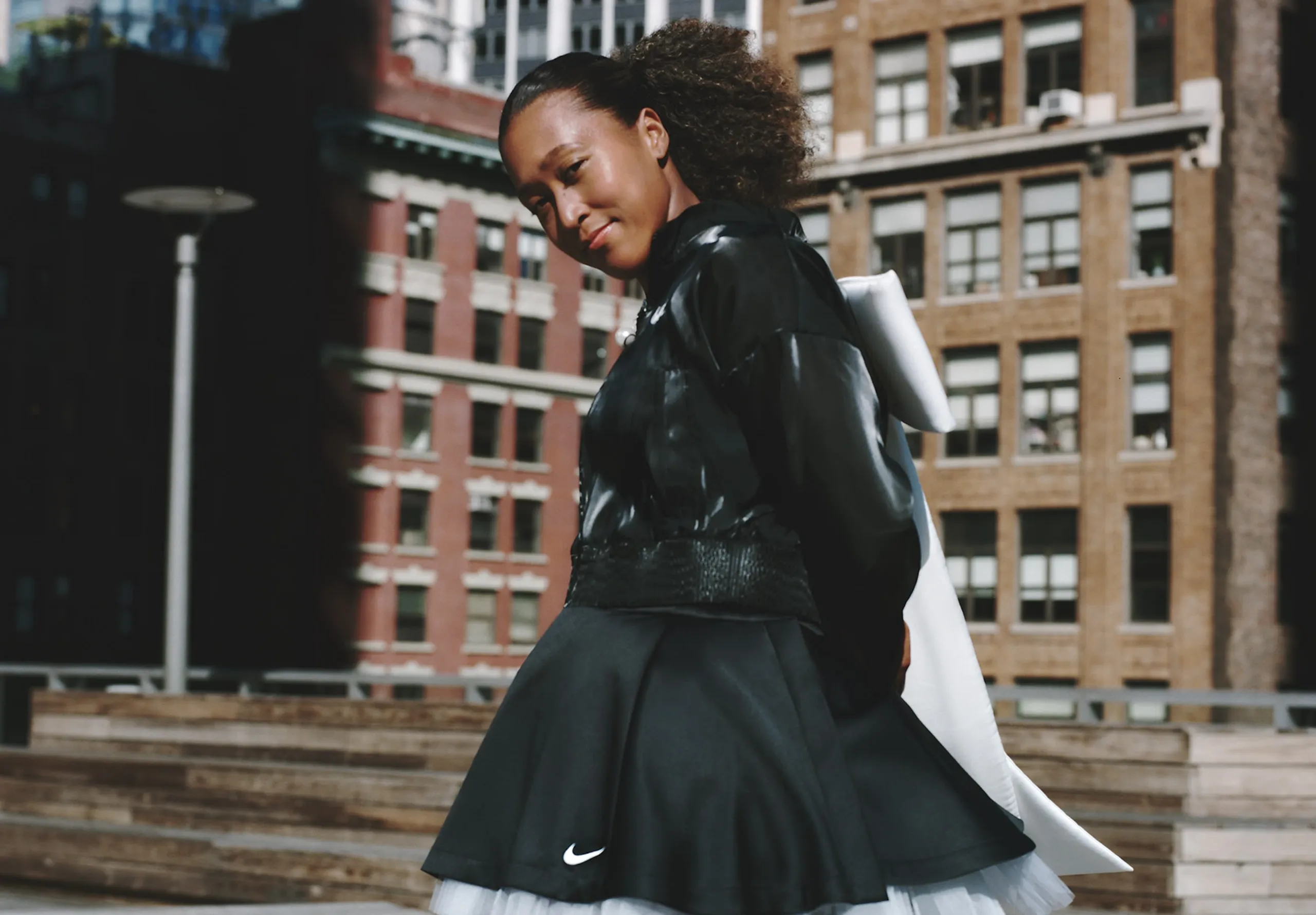
Currently ranked world number 15, Naomi Osaka’s walk-on outfits have become one of the most hotly anticipated moments in tennis culture, and this year’s Wimbledon entry was no exception.
Designed by Tokyo-based designer Yaga Hani, her kimono-inspired ensemble drew on Japanese ceremonial dress: embroidered cranes, cherry blossoms and a dramatic trailing bow. Every detail respected Wimbledon’s all-white tradition while expressing something unmistakably her own. Within hours, it was one of the defining images of the tournament.
Look closer at who else is behind it, though, and it becomes a case study in how differently brands chase the same thing: impact.

Whose brand is in play?
Louis Vuitton, Mikimoto and Yaga Hani all get a halo simply by being close to the moment. The instinctive read is that this is a Louis Vuitton play, high fashion meets Centre Court. It isn’t. The look was masterminded by Nike’s creative director, Marty Harper, with LV and Mikimoto in supporting roles, proof that Nike doesn’t need its name on the dress to be in the room.
Every brand involved walks away with its own win: LV gets positioning, Mikimoto gets continuity, Yaga Hani gets craft. Nike gets what it always gets, presence at every level, the same instinct behind Osaka’s own heritage-blending streetwear collections. And Osaka gets the cleanest win of all, letting the clothes speak entirely on her own terms.
Even Wimbledon comes out ahead. Its rigid all-white rule is exactly the kind of code that makes brands want to push against it, and that tension is what makes the moment interesting at all.




Breaking convention
Consumer-tech disruptors Nothing have spent their short life making phones that look unlike anything else on the shelf, see-through-chic, betting the hardware itself is what people want to be seen with.
Ferrari’s Luce brought in Love From to ‘help’ the brand leap from combustion to EV, and the result has been headlines in spades. The interior carries real Ferrari heritage even as it wears Ive’s unmistakable design language. The exterior is where opinion splits: shocking to some, a masterpiece to others, echoing the polarised reaction and stock hit Jaguar faced with its own rebrand.
Nothing earns the benefit of the doubt a young brand gets. Ferrari and Jaguar don’t have that luxury, so a leap after decades of heritage is seen by the market as a gamble. Luce’s exterior swings toward Ive’s language before proving an EV can still feel like a Ferrari on the road. Legacy brands can absolutely break their own codes, but lasting impact comes from knowing exactly when (and how) to do it.


What can brands learn from this?
+ Build brand equity
Every activation should reinforce a bigger story. The strongest moments feel like a natural expression of the brand rather than a one-off campaign.
+ Evolve with intention
Progress creates relevance. Familiarity builds recognition. Lasting brands understand exactly where to preserve, where to evolve and where to surprise.
+ Know when to break the rules
Breaking convention only builds impact when there’s substance behind it. A headline-grabbing look isn’t enough on its own, the disruption has to be backed by something real.