Pattern
Author Dan Harfield
This month, I’ve been exploring pattern in all its forms: how it can emerge from process, act as a design signature and help new ideas land.
The following examples use patternation to express making, ground innovation and give data a visual voice. Four distinct approaches worth attention.
Dive in…


The New Raw
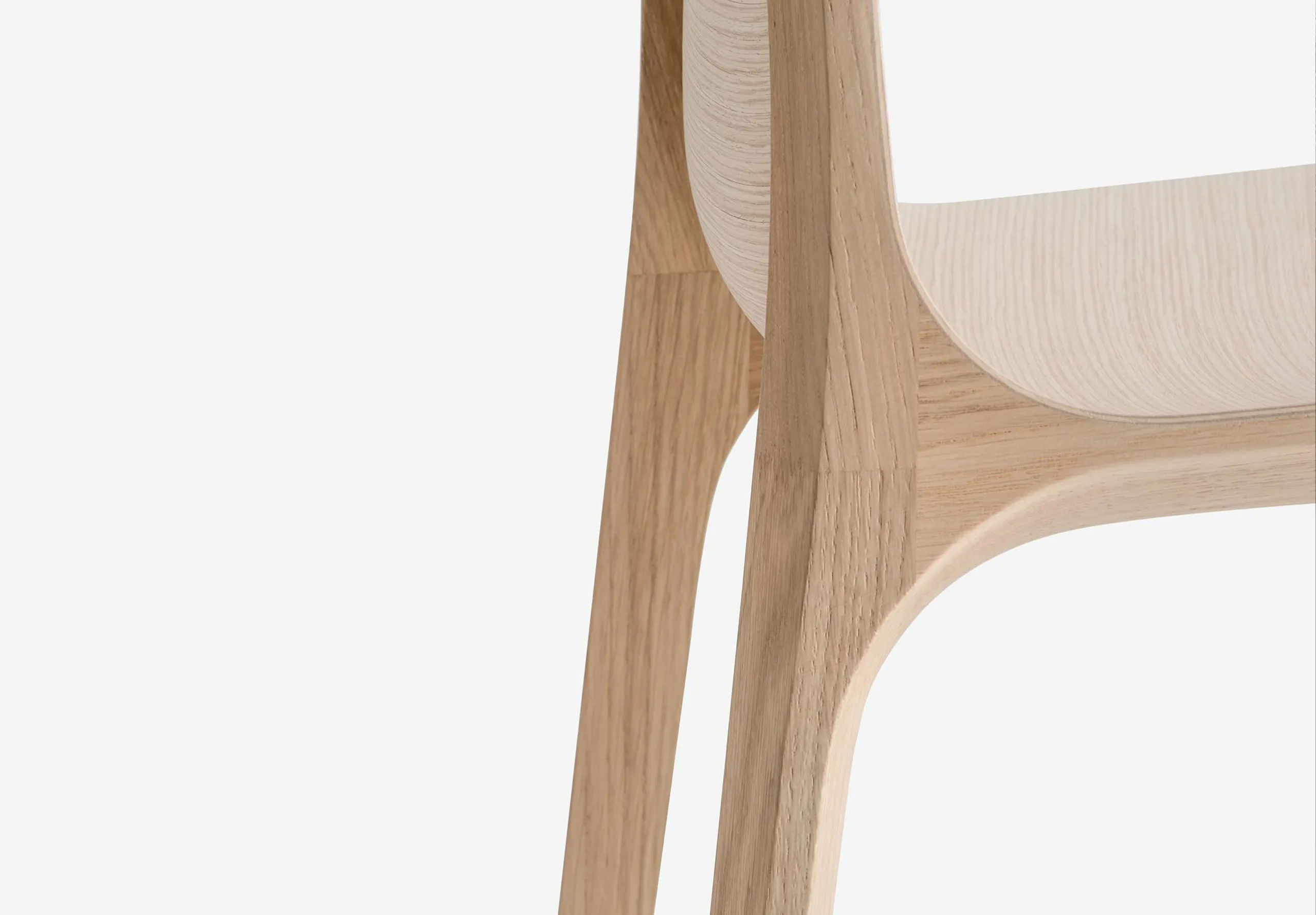
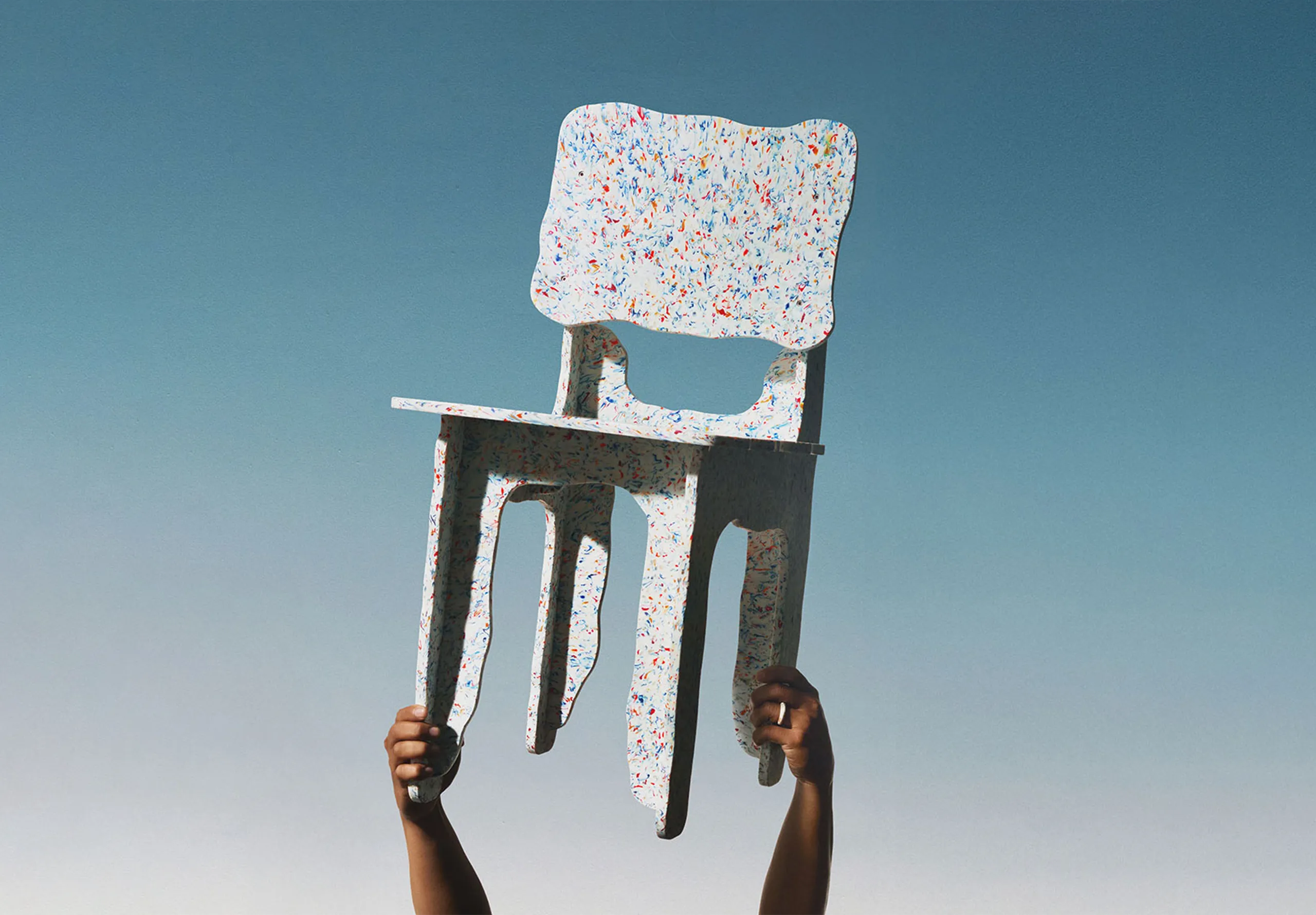
First up, a beautiful example of pattern from Rotterdam based studio The New Raw. Here, plastic waste becomes large-scale furniture that feels both purposeful and poetic.
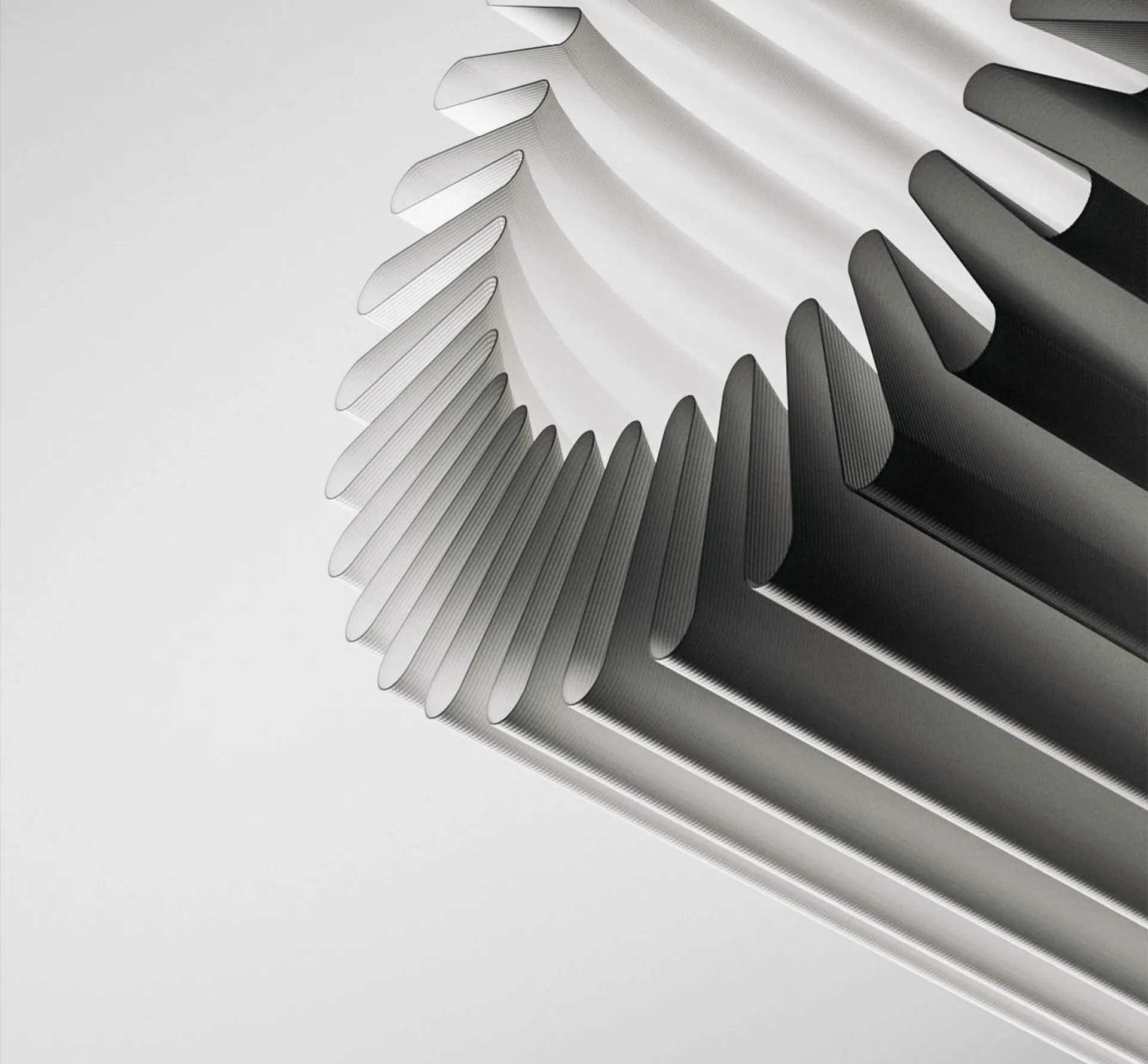
Their XL 3D printing process allows pattern to occur naturally, with layered striations accentuating the undulating forms of each piece. Combined with a subtle gradient CMF, these pieces land somewhere between functional furniture and distinctive, sculptural art.

Saloon
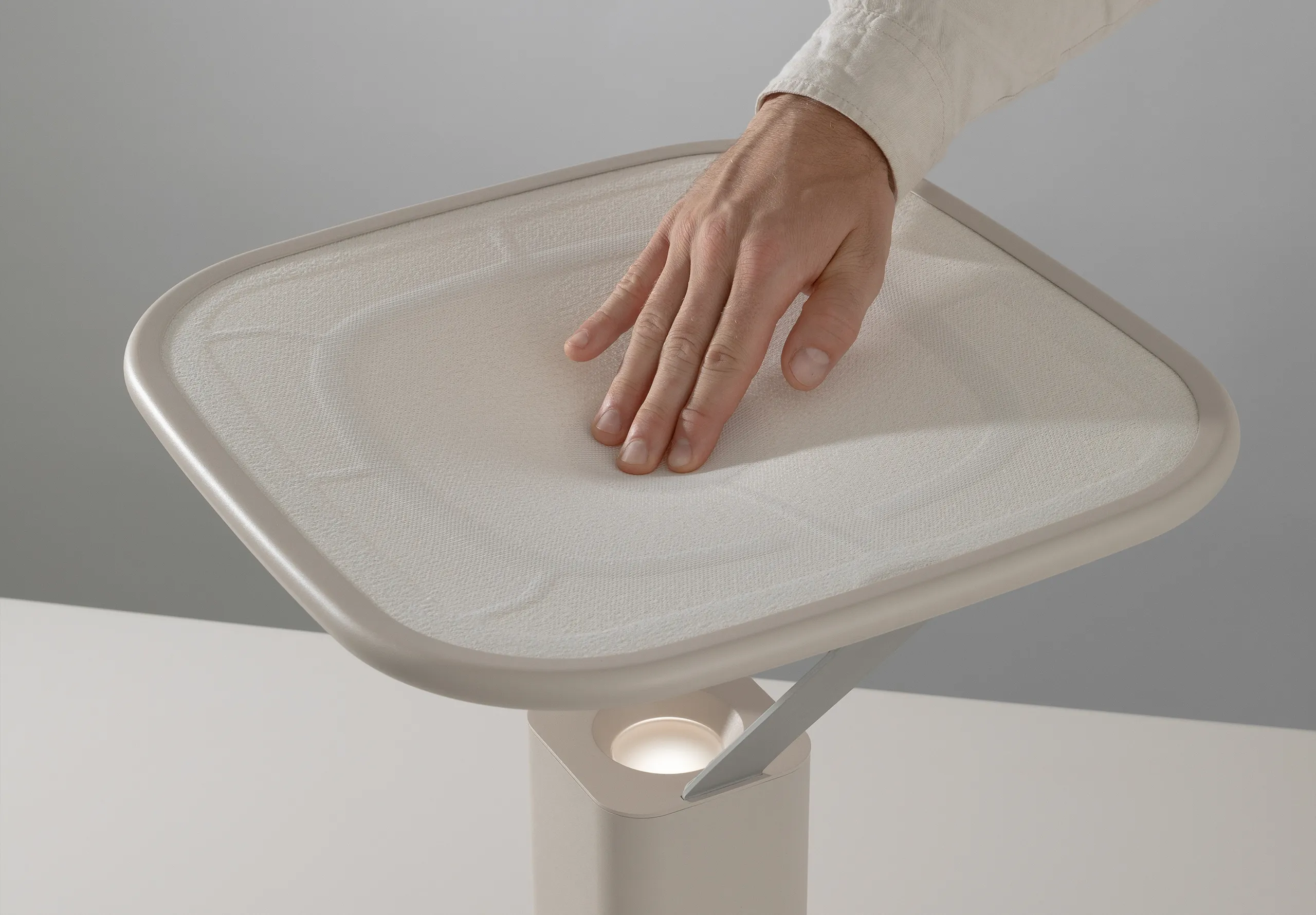
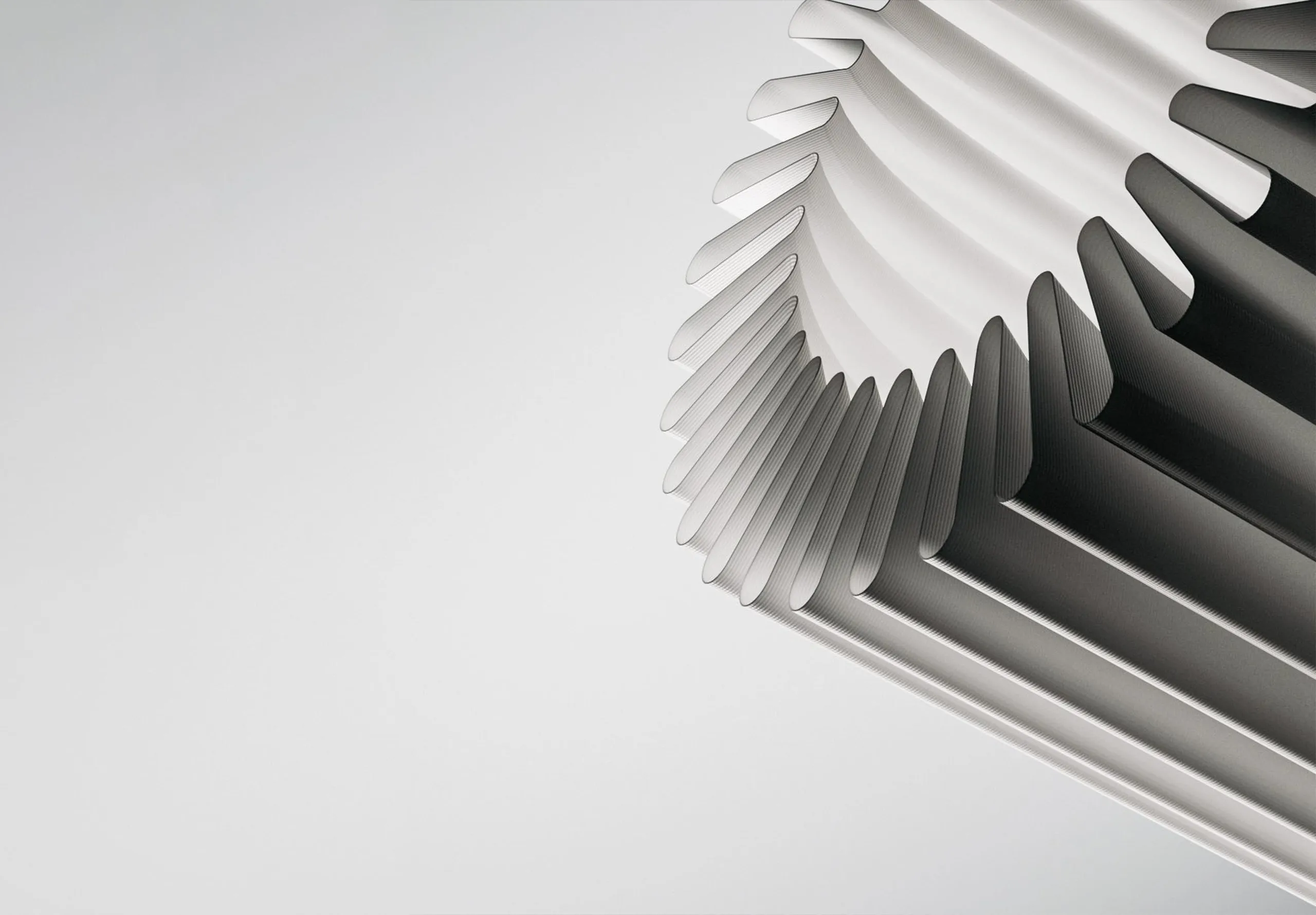
These lighting pieces from Saloon caught my attention for how they’ve turned a manufacturing process into a design signature. The 3D printing process generates organic, continuously curved forms that simply couldn’t exist through traditional methods, while simultaneously leaving its own textural fingerprint across every surface.
It’s manufacturing as ornamentation. Plus, the technique supports 100% plant-based materials, giving each piece both sustainable foundations and a distinctly organic, tactile quality.


Everglow
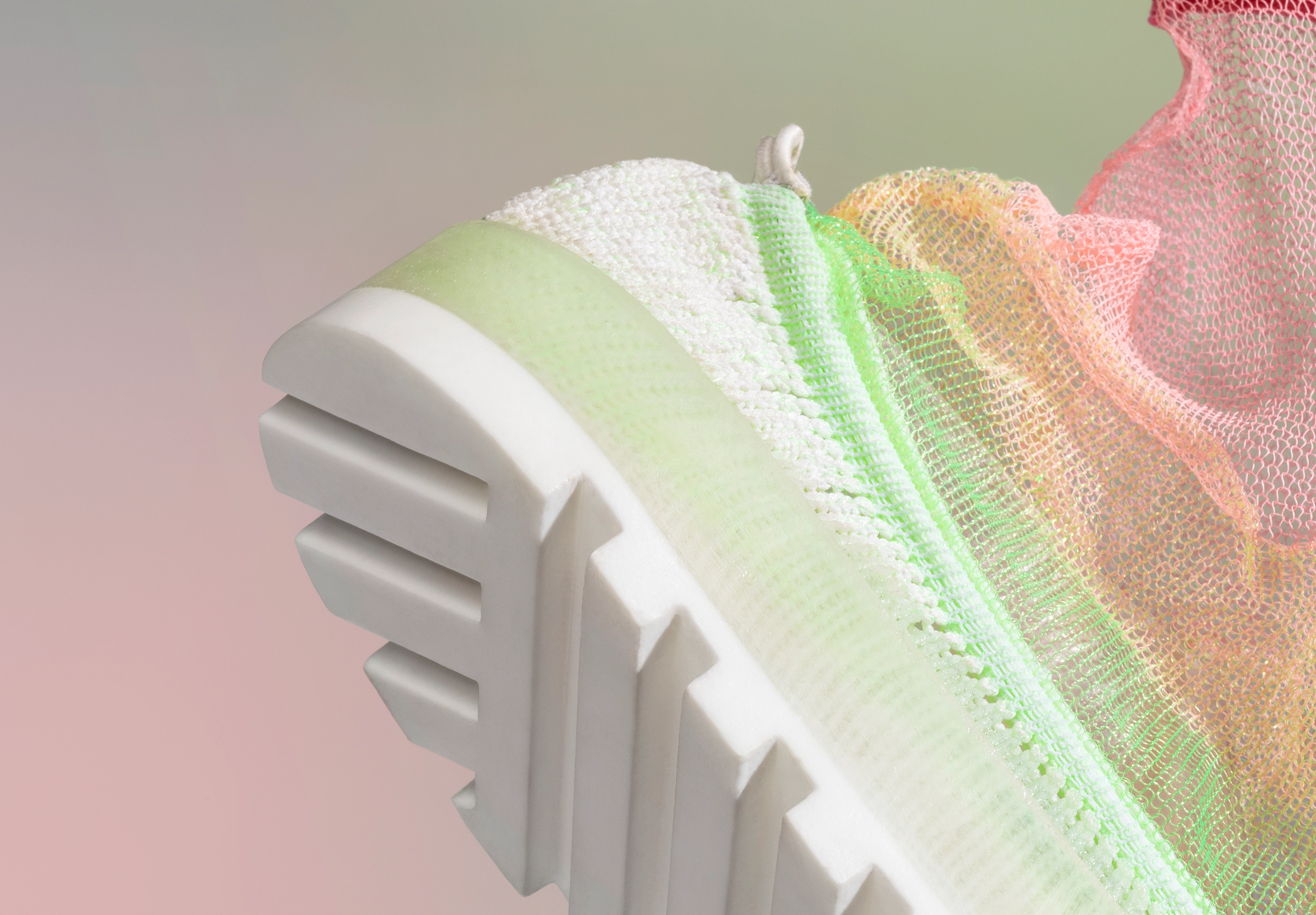
Woojin Jang’s Everglow is a brilliant example of how bold patterning can carry new and innovative ideas into the world. The macro-patterning across its triangular interface references guitar frets and keyboard layouts – visual cues that ground this AI-powered music tool in familiar territory while the form itself does something entirely original.
Pattern here works as translator and disruptor simultaneously, making experimental technology feel approachable.


‘Reflecting divisiveness’
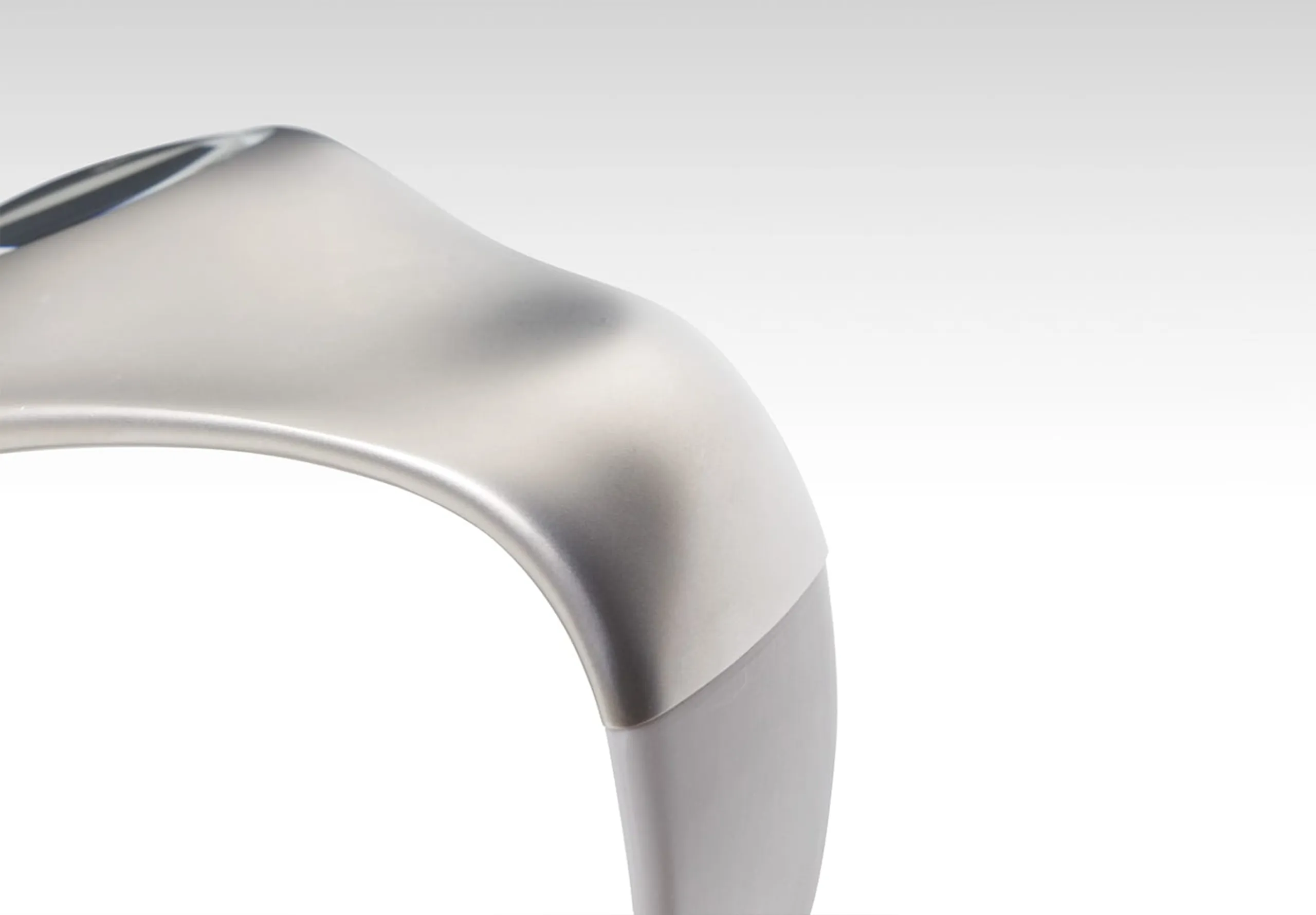
As part of Dutch Design Week 2025, Studio mo man tai translated Dutch population data into 8,800 handcrafted flowers, each representing a section of society. Ten flower types in multiple colours map demographic origins, all made from discarded acrylic mirror offcuts. Under lighting, the mirrored petals scatter across walls and viewers.
The artist has used pattern as a language for diversity, turning complex demographic information into intuitive narratives we can actually see and feel.