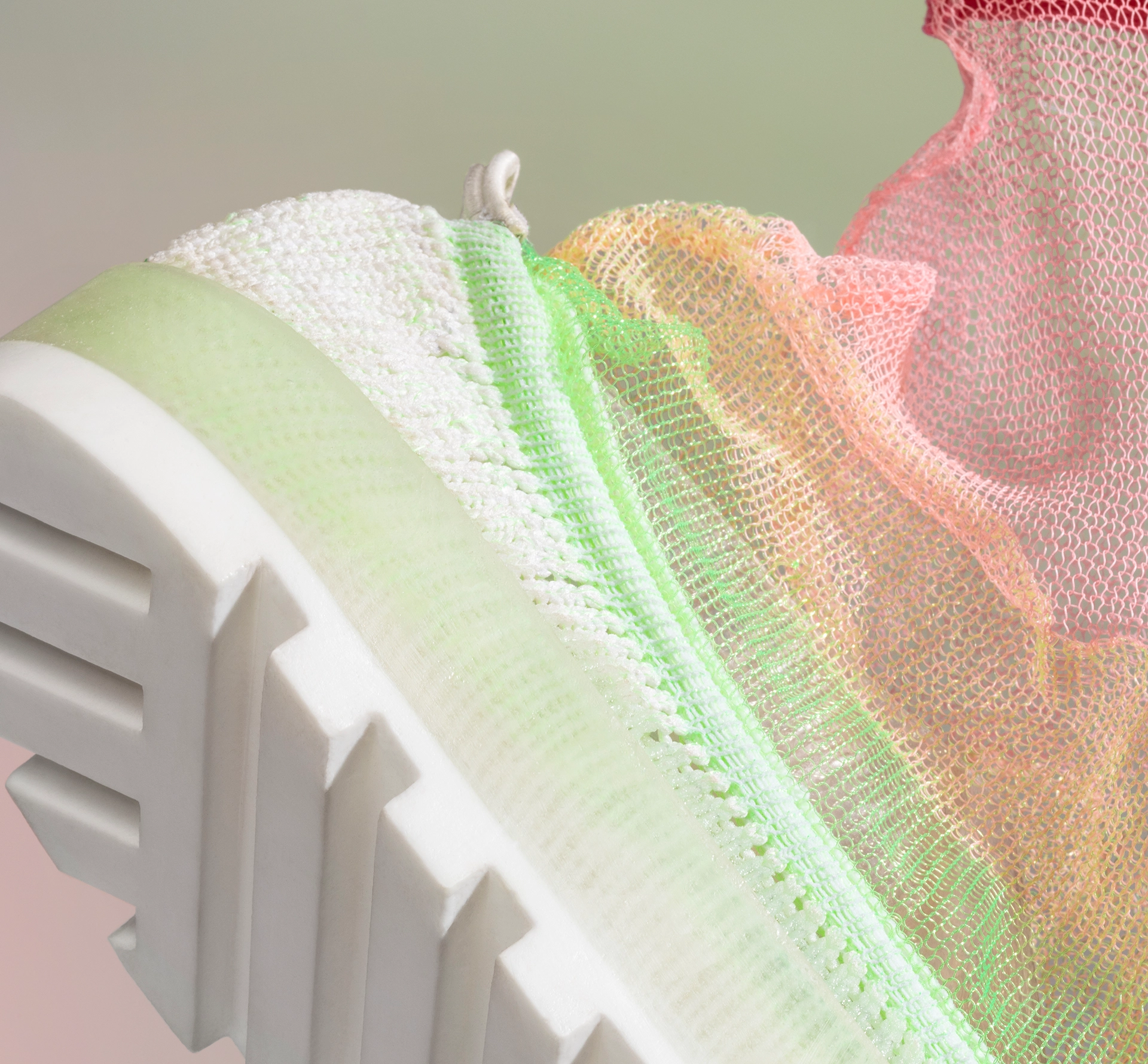
Form that follows behaviour
Author Sakshi Seth
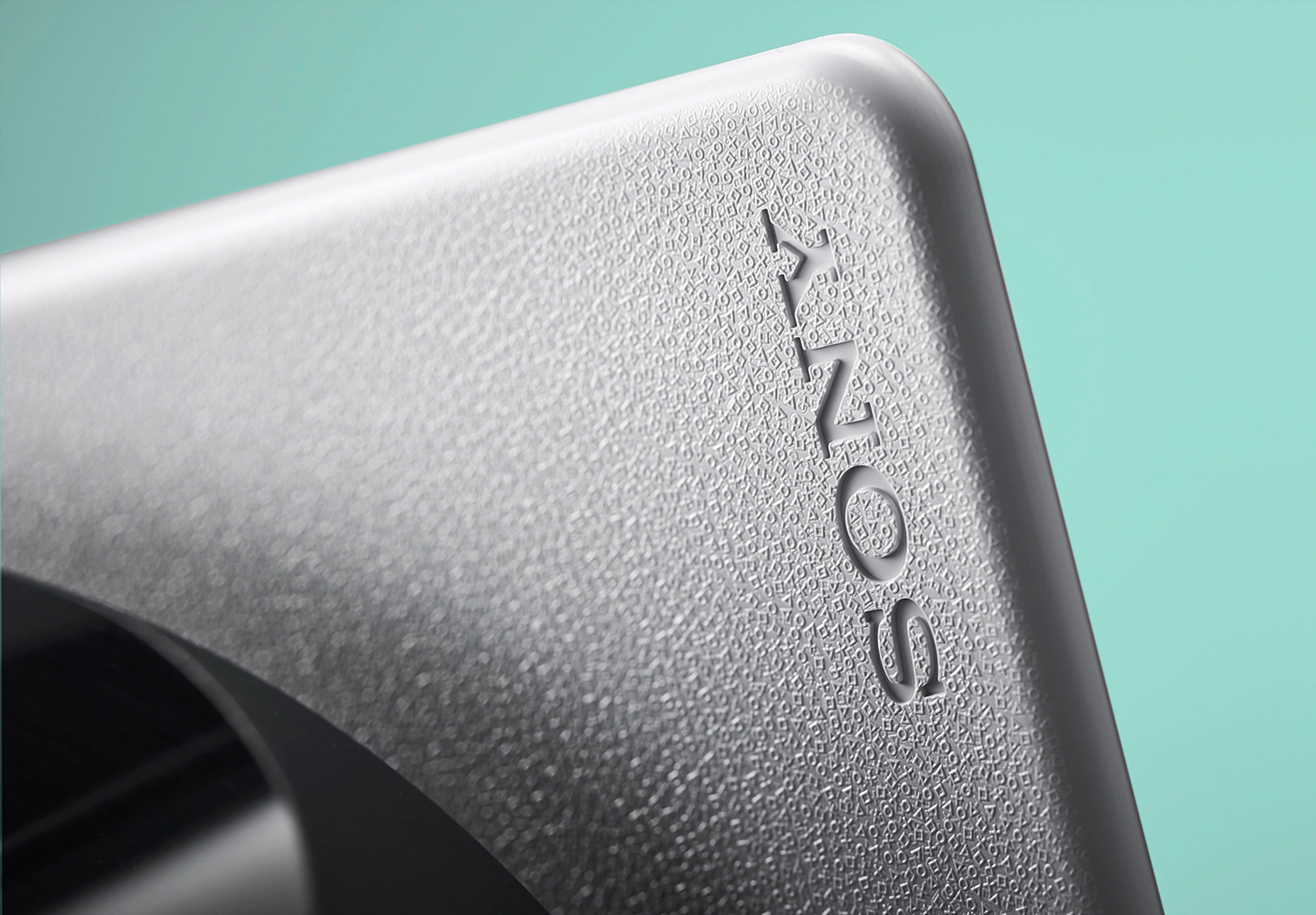
This month, I’ve been paying closer attention to how pattern shapes industrial design.
The most compelling work treats pattern as a foundational choice made at the start of the process.
In these examples, pattern helps define form, guide perception and communicate intent. It adds value through structure and material intelligence, often carrying identity on its own.
Read on…


IKEA × Raw Color
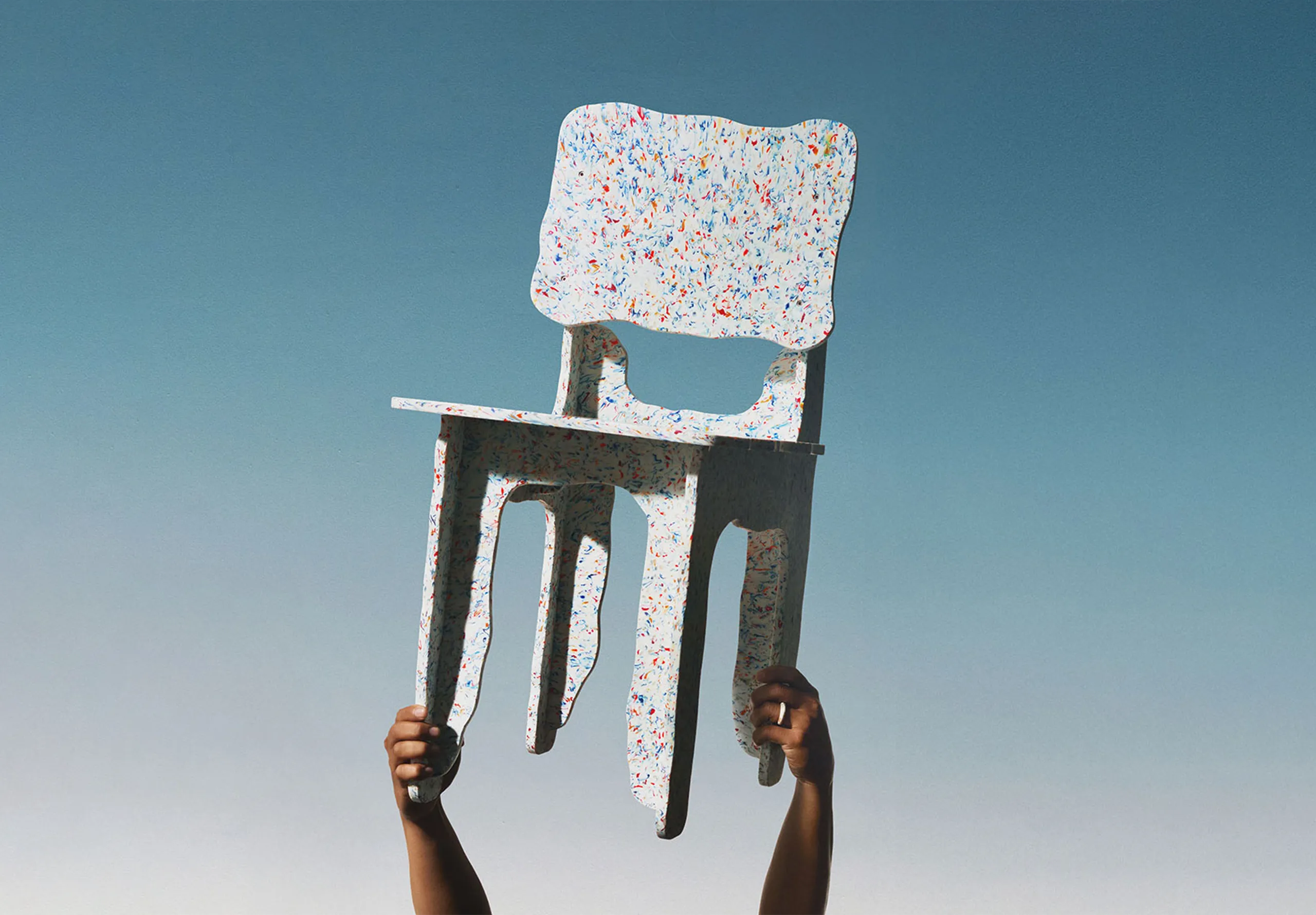
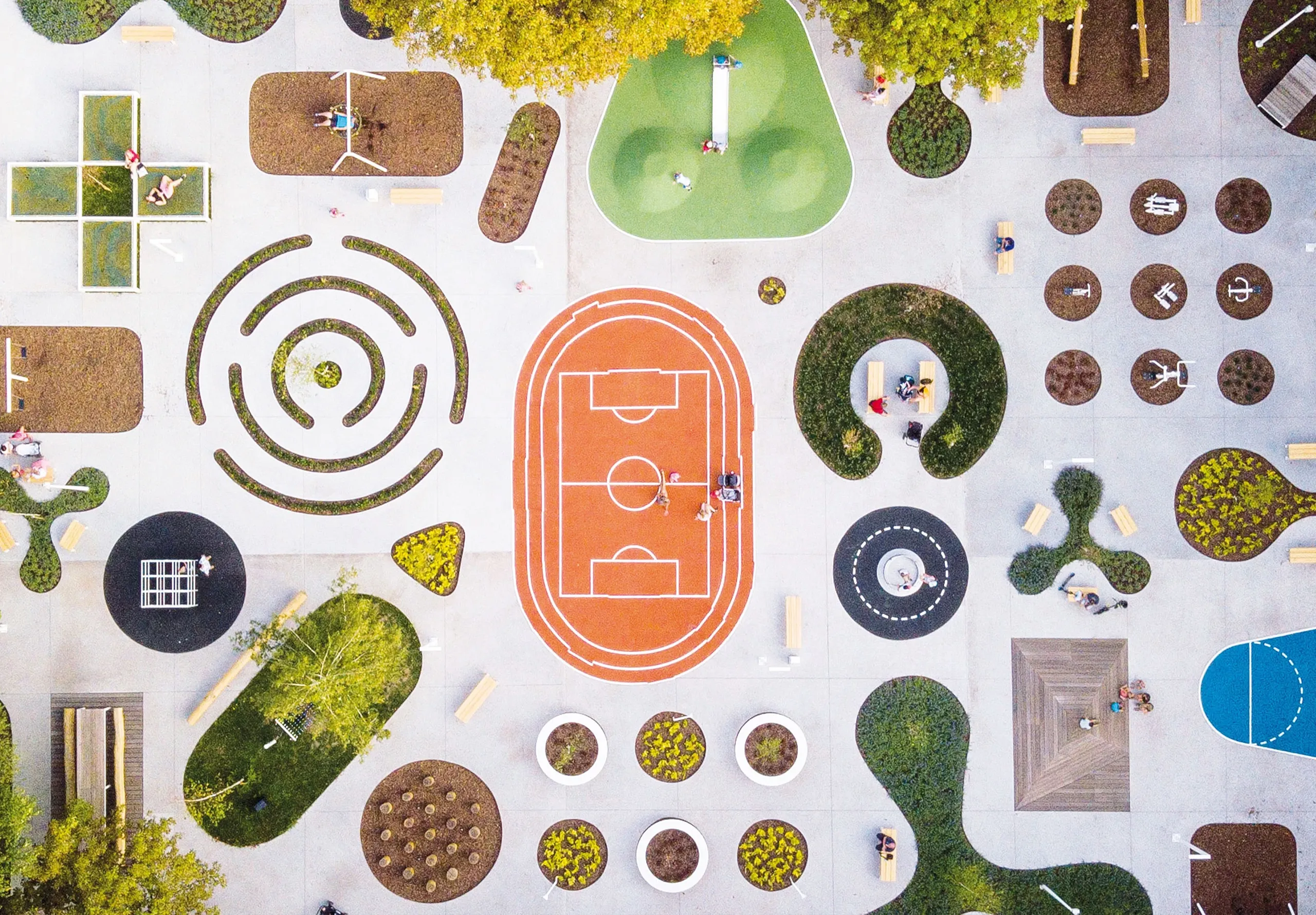
This collaboration highlights the strength of pattern through clarity and scale. Bold colour, repetition and simple geometry create surfaces that feel open and expressive in everyday spaces.
The oversized forms carry energy and presence, encouraging personal expression through confident visual language.

adidas × Stella McCartney - Seeulater
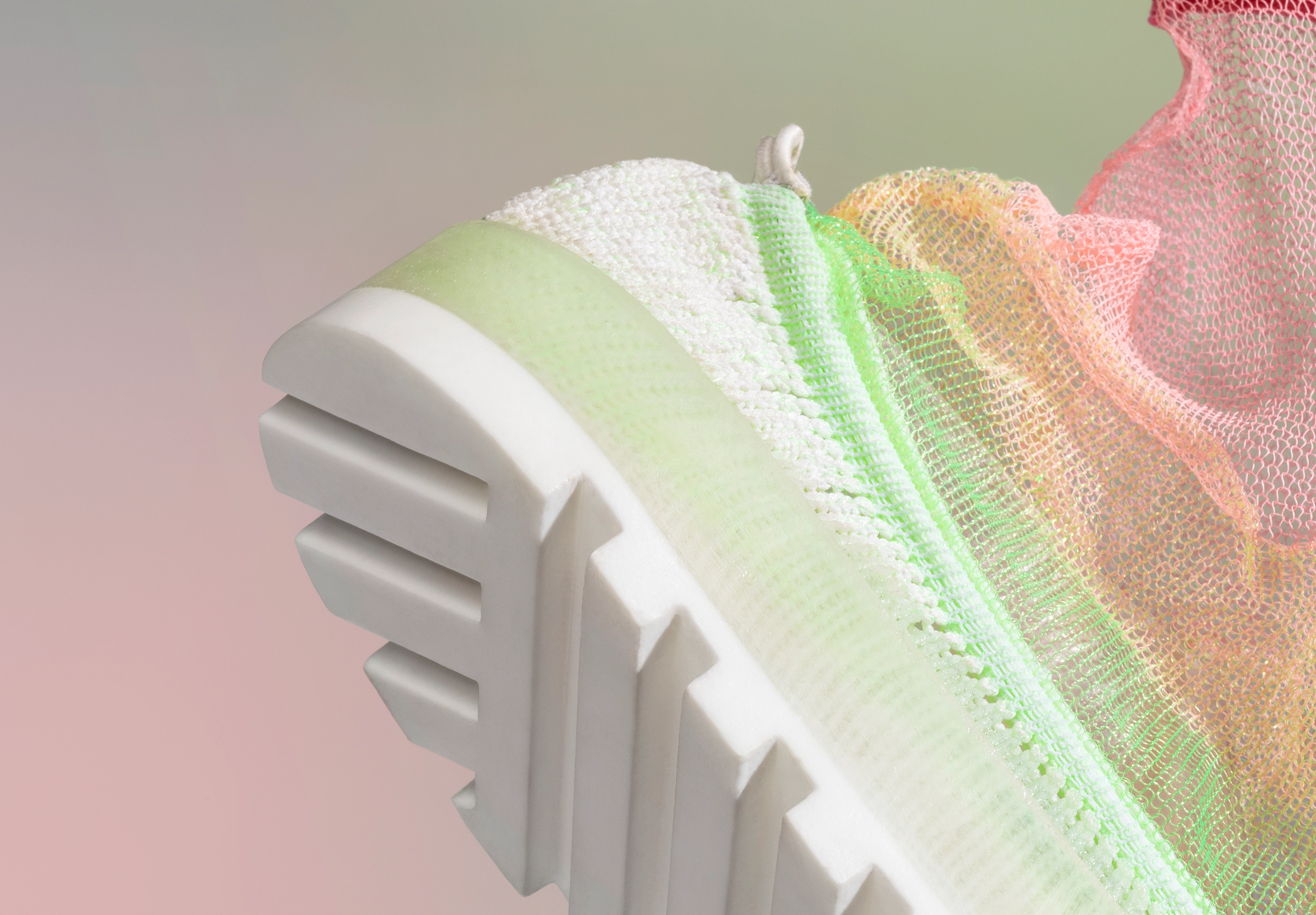
The Seeulater hiking trainer integrates pattern directly into construction. Raised pods, sculpted breaks and exaggerated sole geometry create rhythm through form.
Light interacts with the surface as the shoe moves, reinforcing a sense of performance and physicality. The result feels architectural, tactile and designed for active use.


Suzanne Oude Hengel
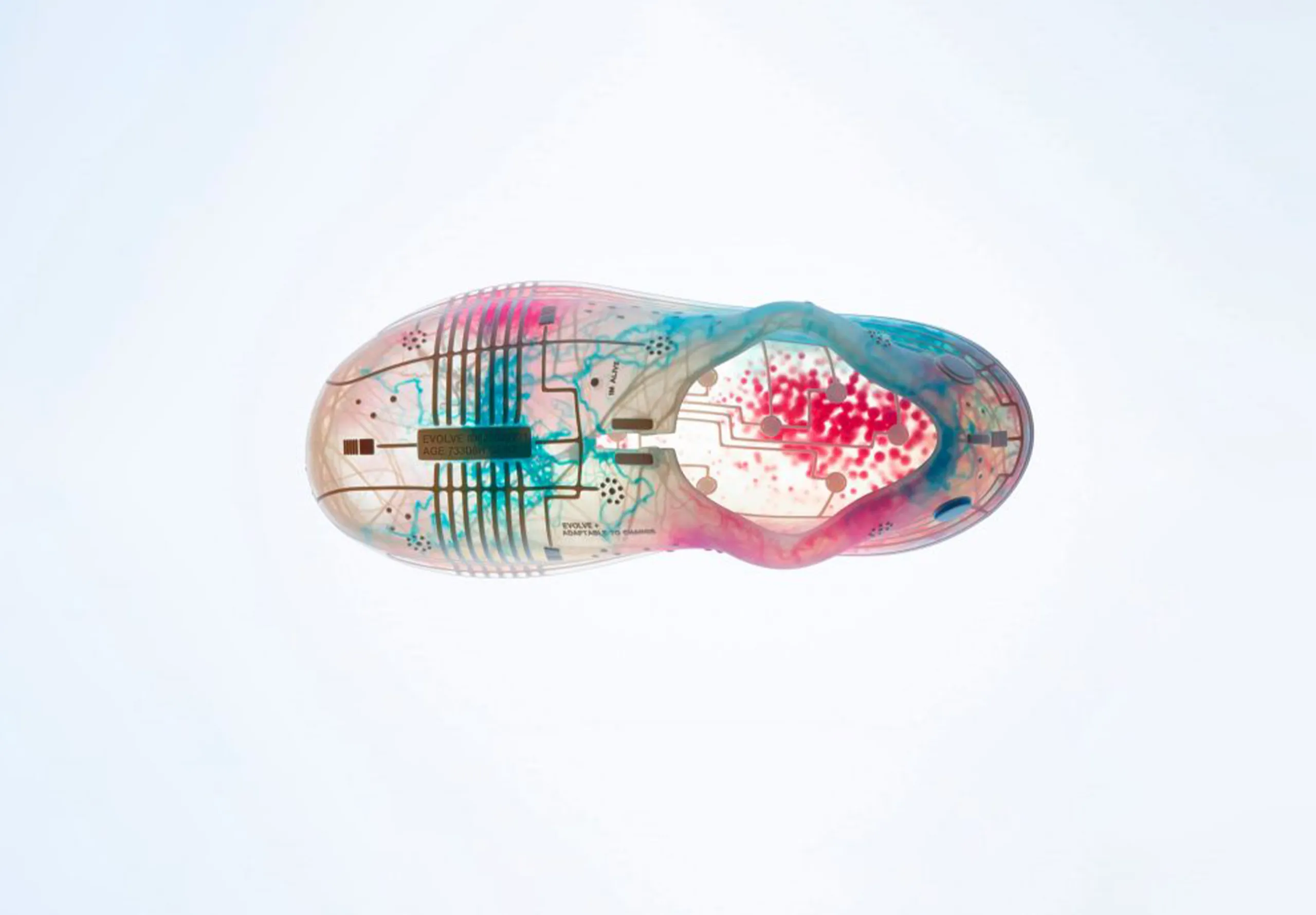
Suzanne Oude Hengel’s knitwear explores pattern as structure. The knit shifts density, wraps the foot and creates a topographic surface that feels alive. Colour transitions suggest movement held in place.
Pattern reads like information translated into material, sitting somewhere between textile craft and computational thinking.


Issey Miyake - A-POC
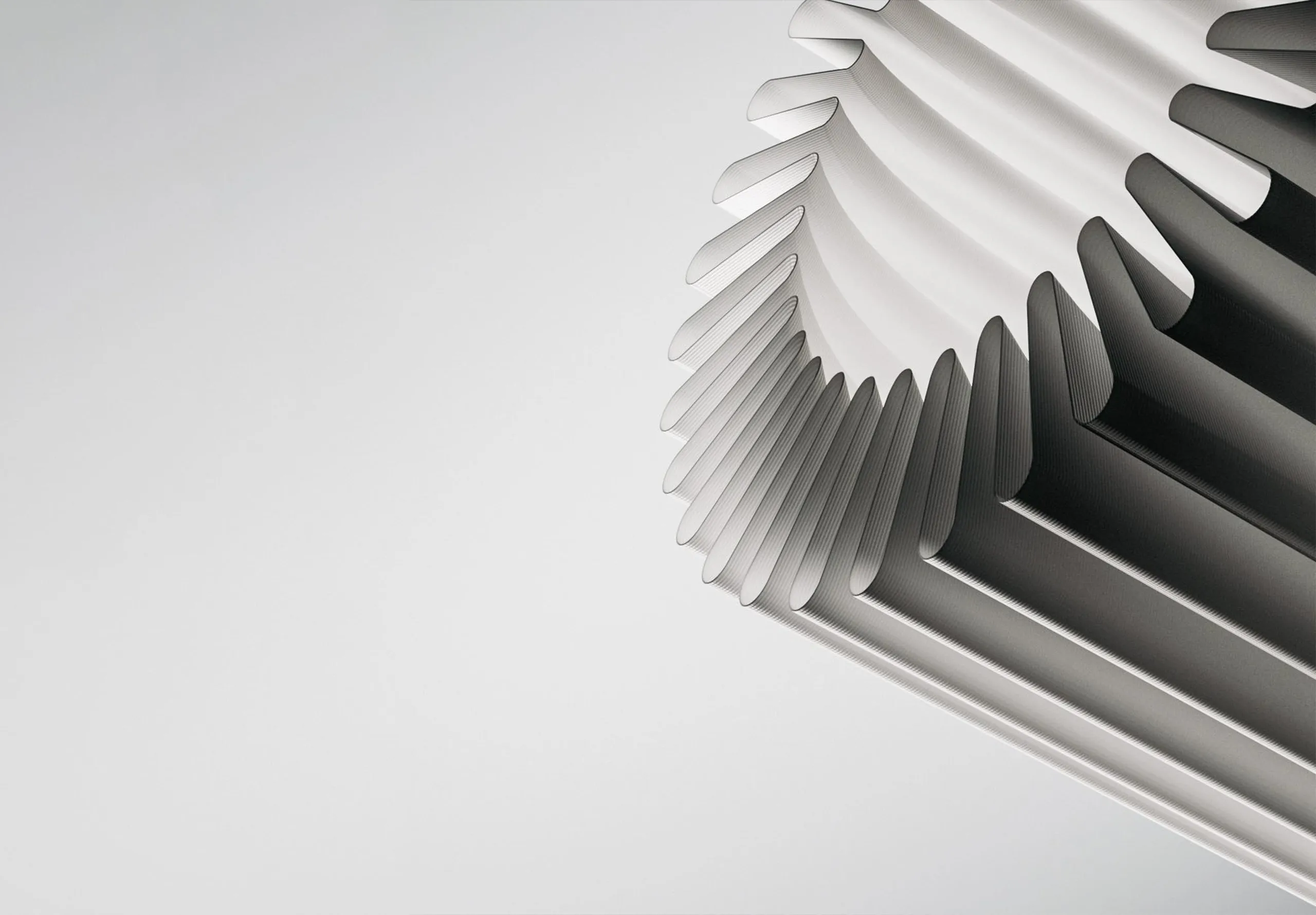
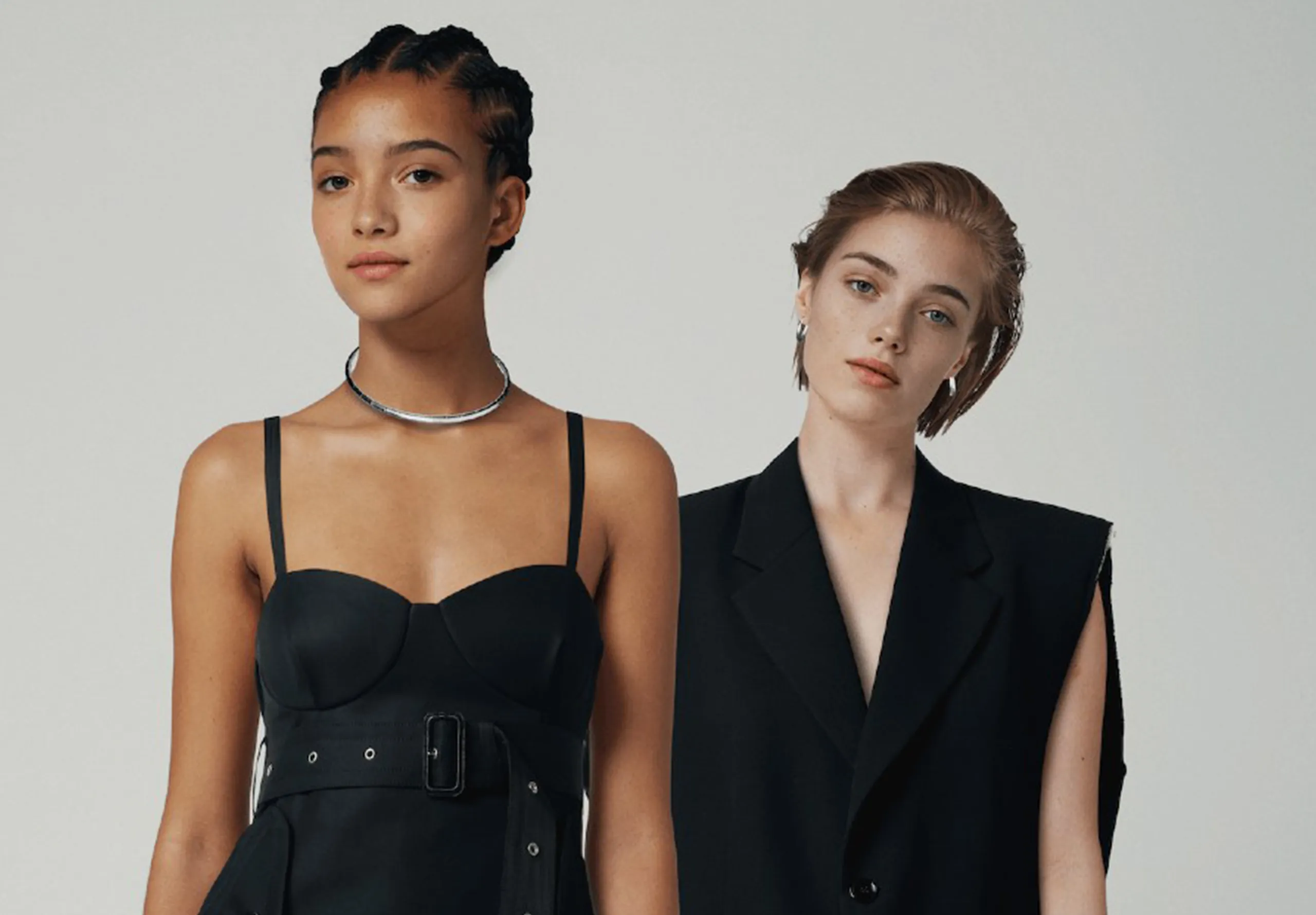
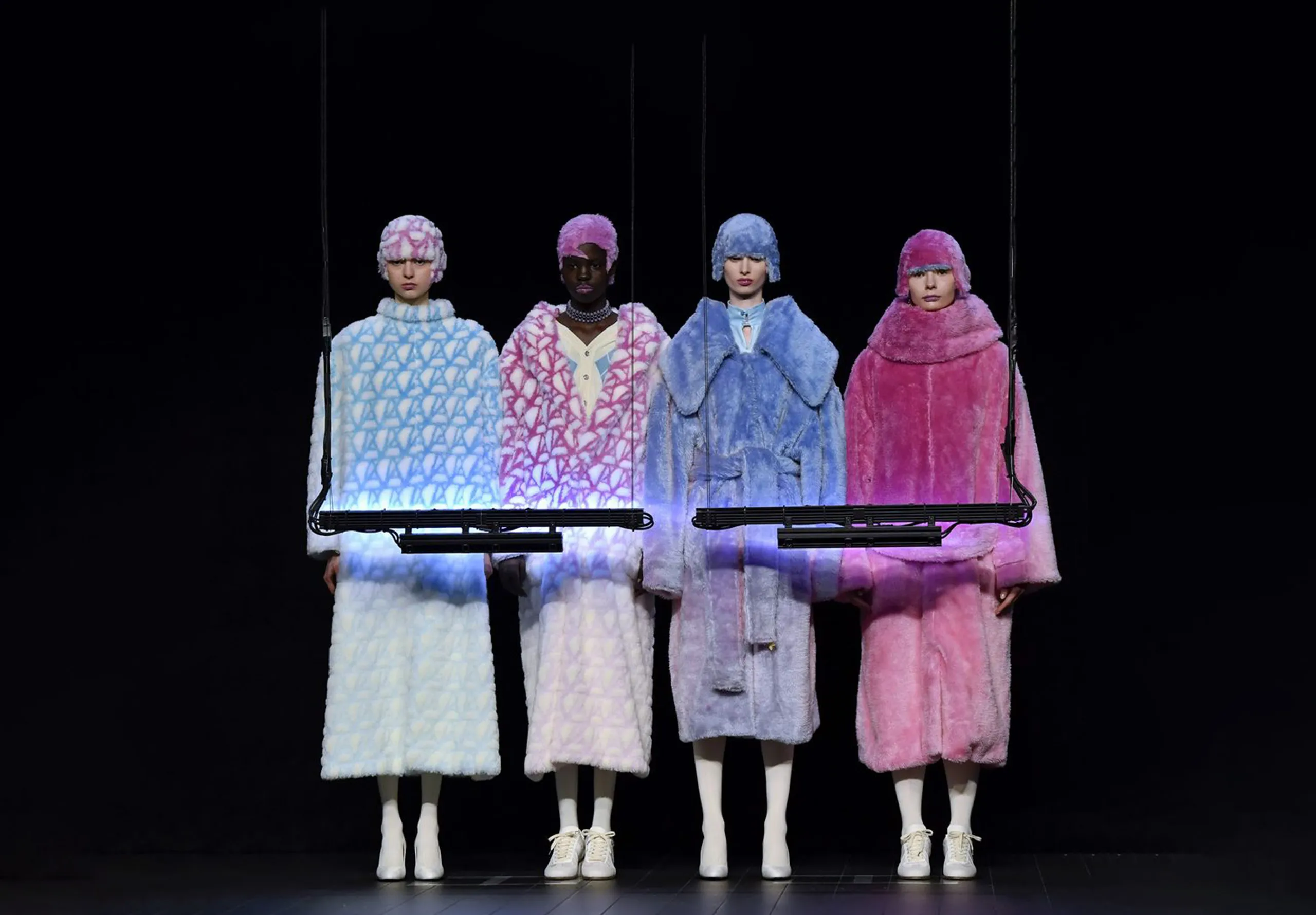
At first glance, the pattern looks minimal. Yet, the more closely you peer, the more you realise it’s doing everything. A-POC (A piece of Cloth) is Issey Miyake’s revolutionary system where garments are produced from a single continuous or knitted woven tube.
I find a calm, technical beauty to how the pattern is embedded into the fabric itself, outlining seams, joints and stretch zones before the garment even exists in 3D. The result is a pattern that feels diagrammatic, not decorative.