Texture as material intelligence
Author Sakshi Seth
Lately, I’ve been noticing how texture is doing heavier lifting in design conversations.
In the strongest examples, texture emerges from process, material choice or construction logic. These four projects show how texture can lead design decisions and shape how objects behave and communicate.
Have a read!

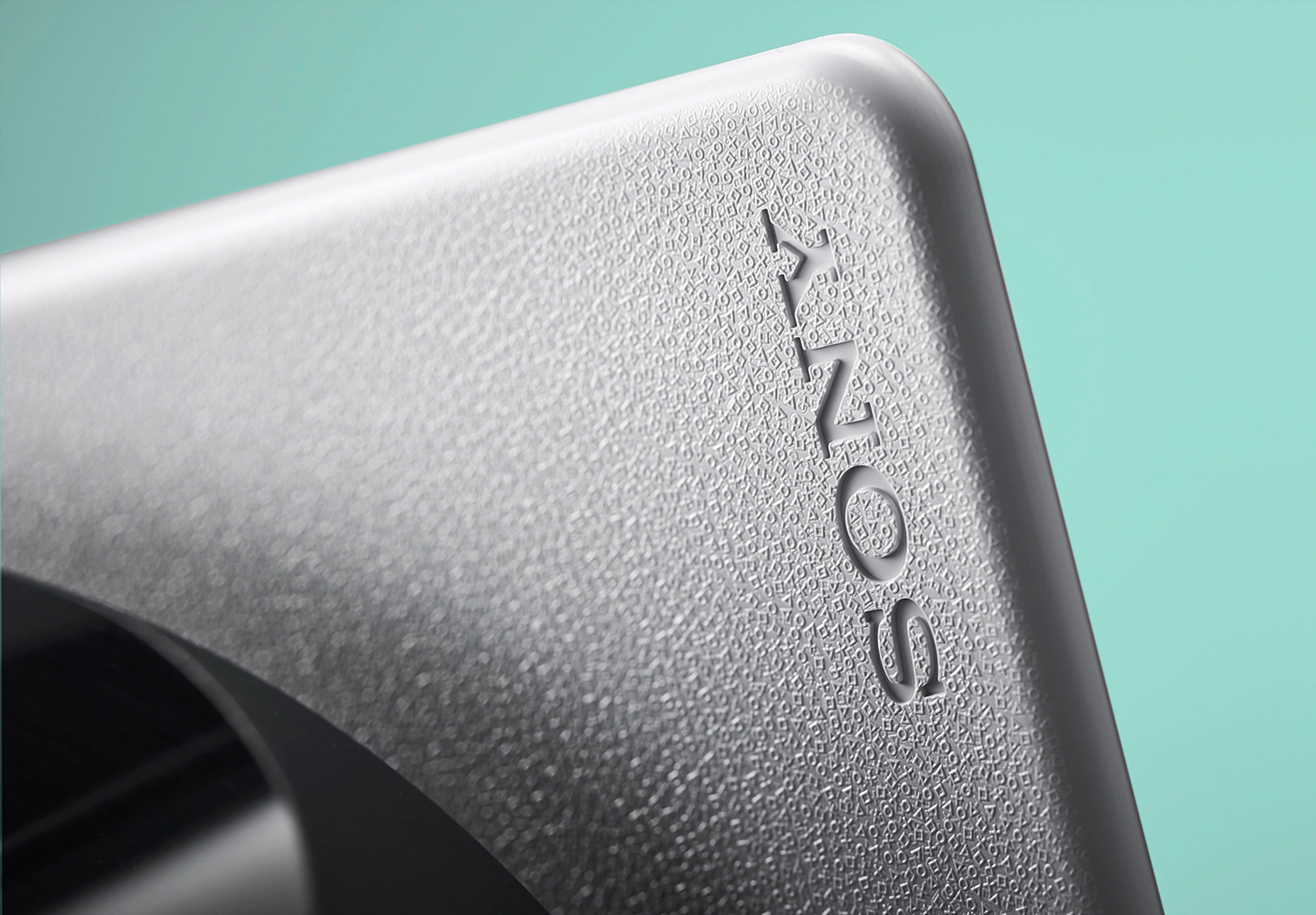
Sony DualSense Controller – Micro-Texture
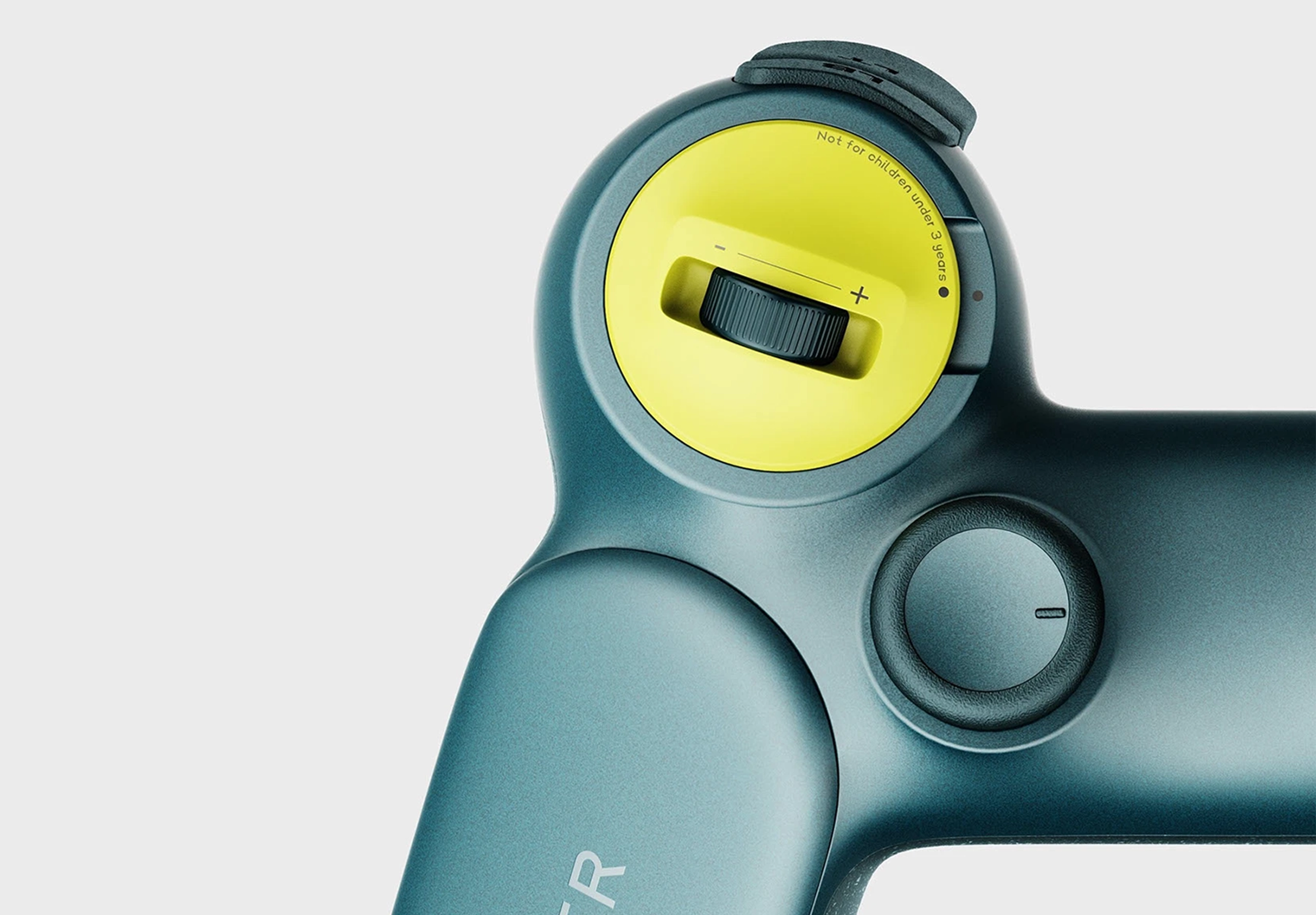
Sony’s DualSense controller shows how much impact texture can have at a microscopic scale. Thousands of tiny PlayStation symbols are moulded into the grips, creating a tactile layer that reveals itself through use rather than spectacle. In other words, you feel them before you see them.
That micro-texture does double duty: improving grip and embedding brand into physical experience. This is surface design operating at a nearly subliminal scale, fusing utility and emotion into a single gesture.


Kvadrat × Really – Textile Waste Tiles
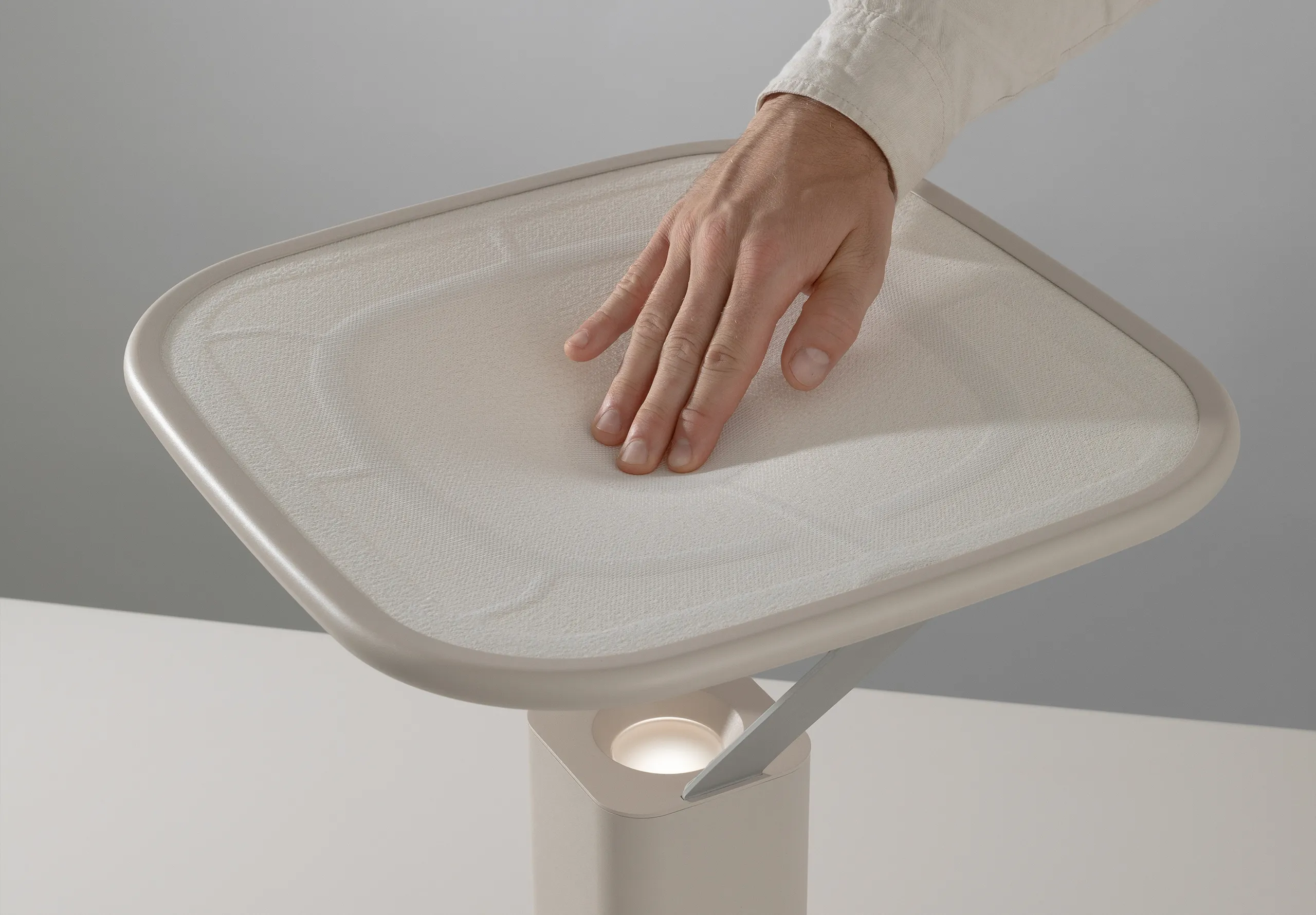
Texture in Really’s Textile Tabletop™ grows directly from its material origin. Compressed textile waste becomes rigid surface, every fibre staying visible. Layers, colour shifts, compelling irregularity – the texture IS the story of reuse.
Circularity becomes something you can see and feel, turning discarded textiles into a confident, tactile material with genuine presence in furniture and interior spaces.


Formafantasma – Material Ecology Projects
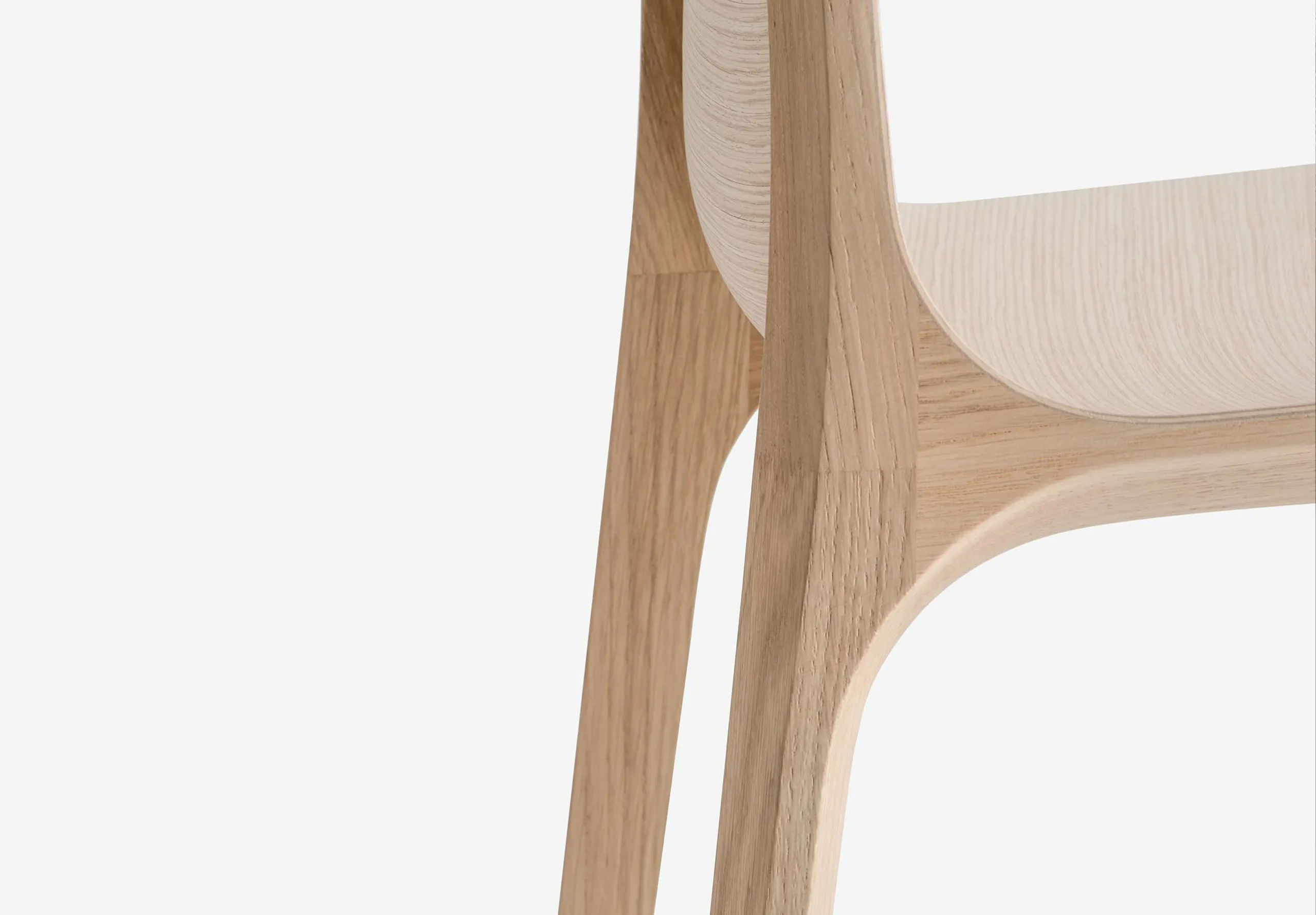
Formafantasma’s Material Ecology projects stand out for the way texture is allowed to stay raw and unresolved. Ash, bark, resin and rubber form surfaces that feel geological, layered and full of history. I like how the texture slows you down and encourages closer attention, prompting questions about origin, process and value.
The work feels deeply considered and grounded, with surface acting as a carrier of meaning rather than decoration.


von Holzhausen – Ripple Shoe
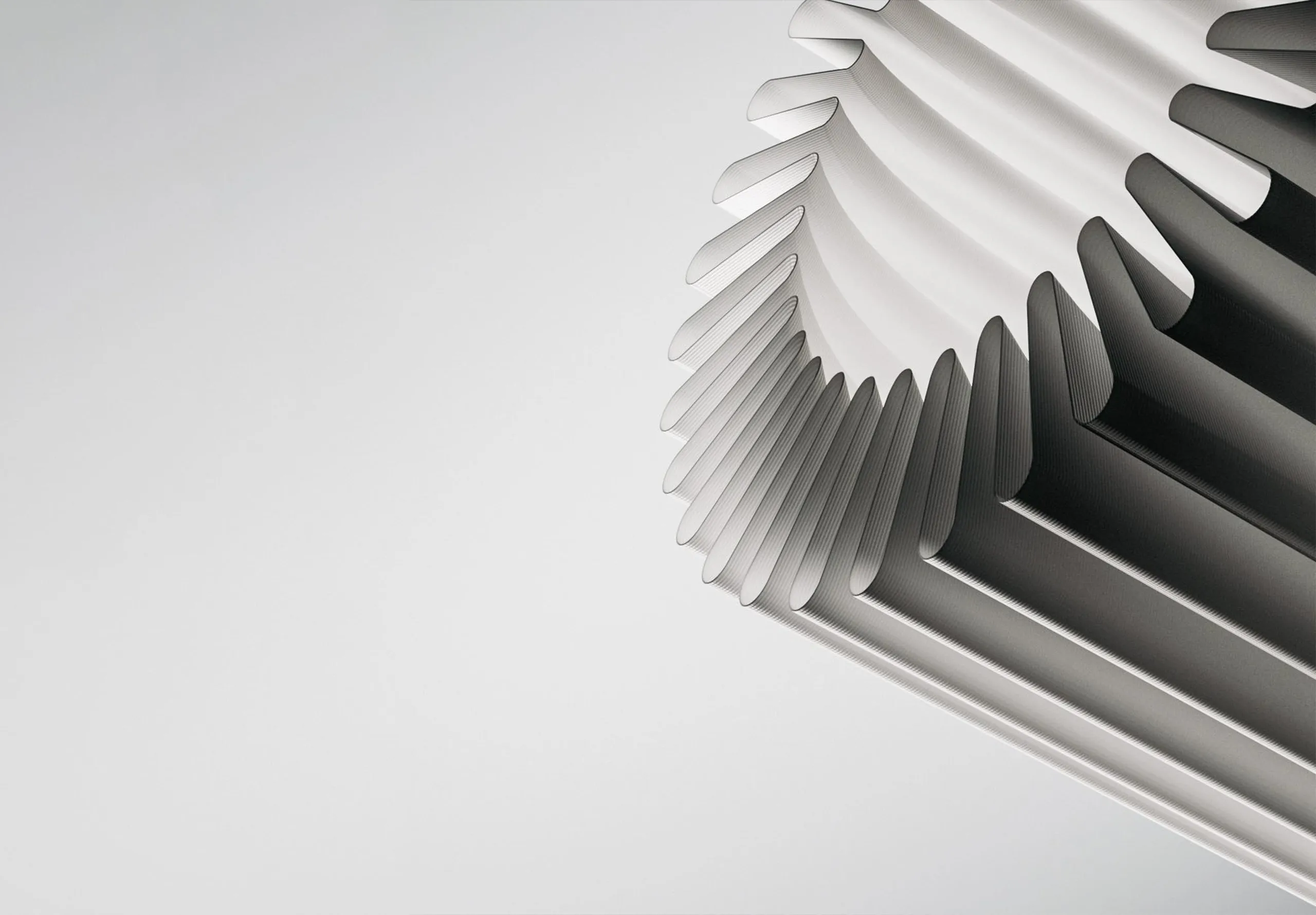
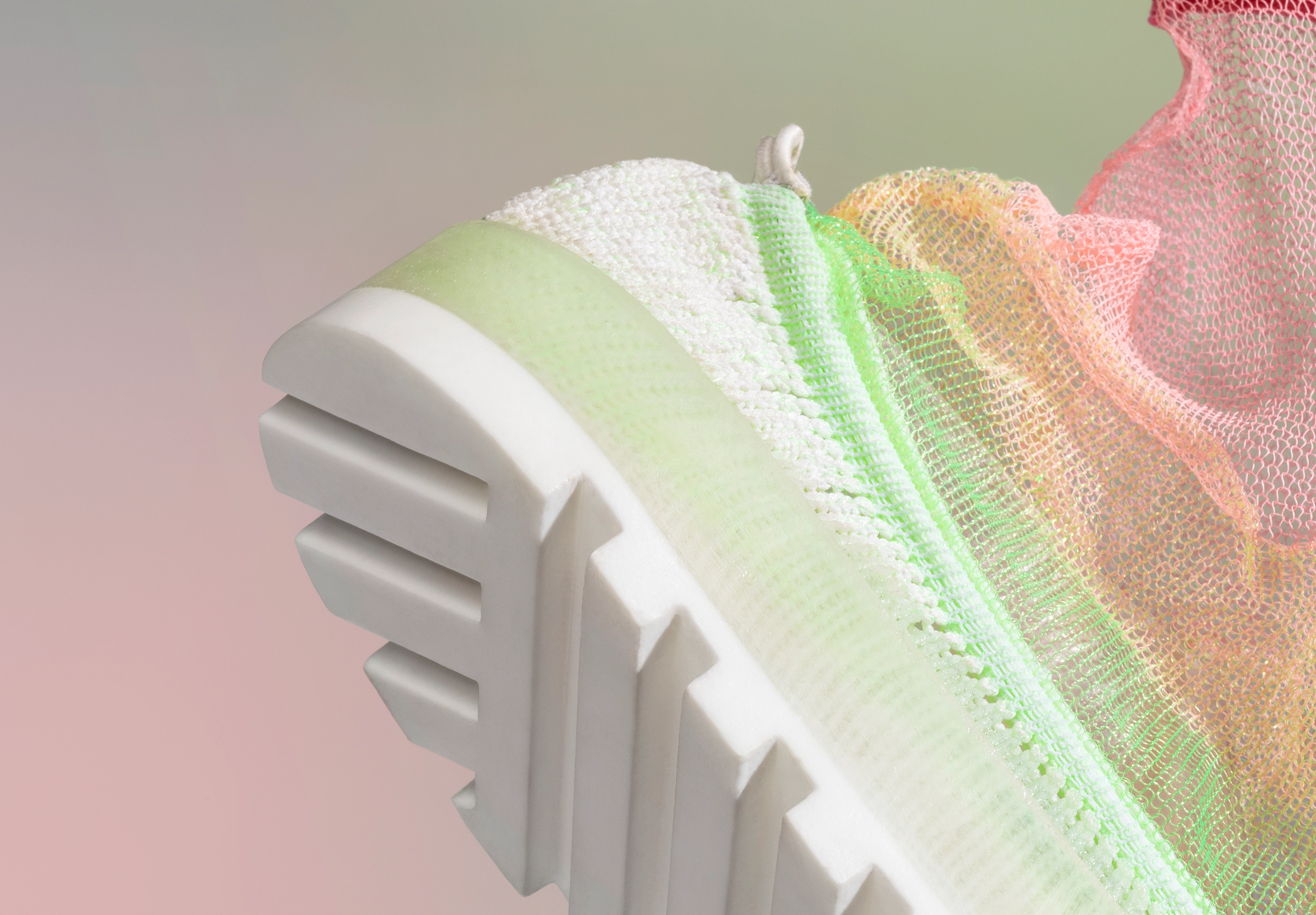
This one caught my eye because the texture feels inseparable from the form. The Ripple Shoe from von Holzhausen uses a continuous ribbed surface that flows across the entire shoe, creating rhythm and movement even at rest.
That repetition creates rhythm and balance, making the shoe feel dynamic even when still. It’s a great example of texture shaping identity rather than decorating it.