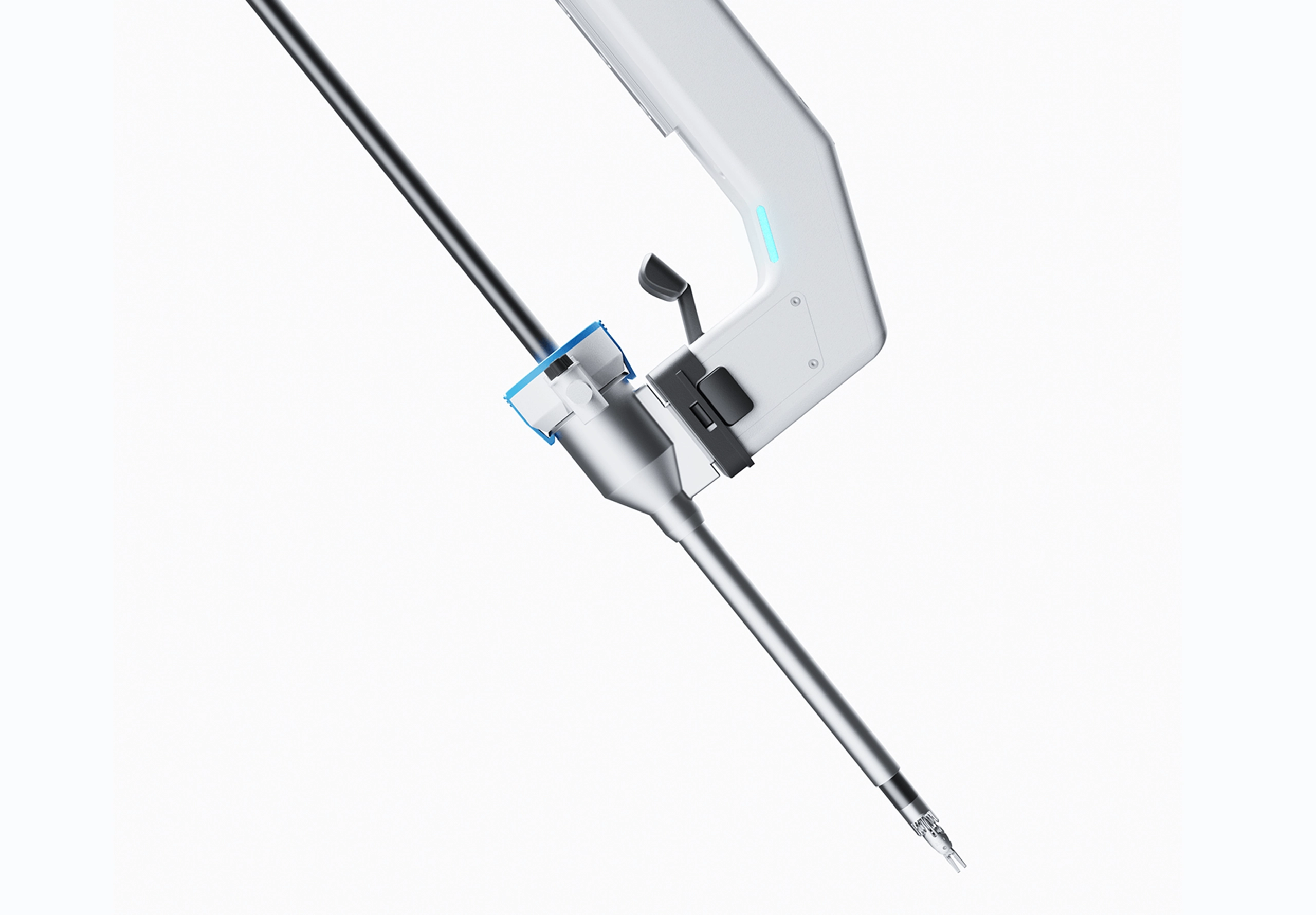
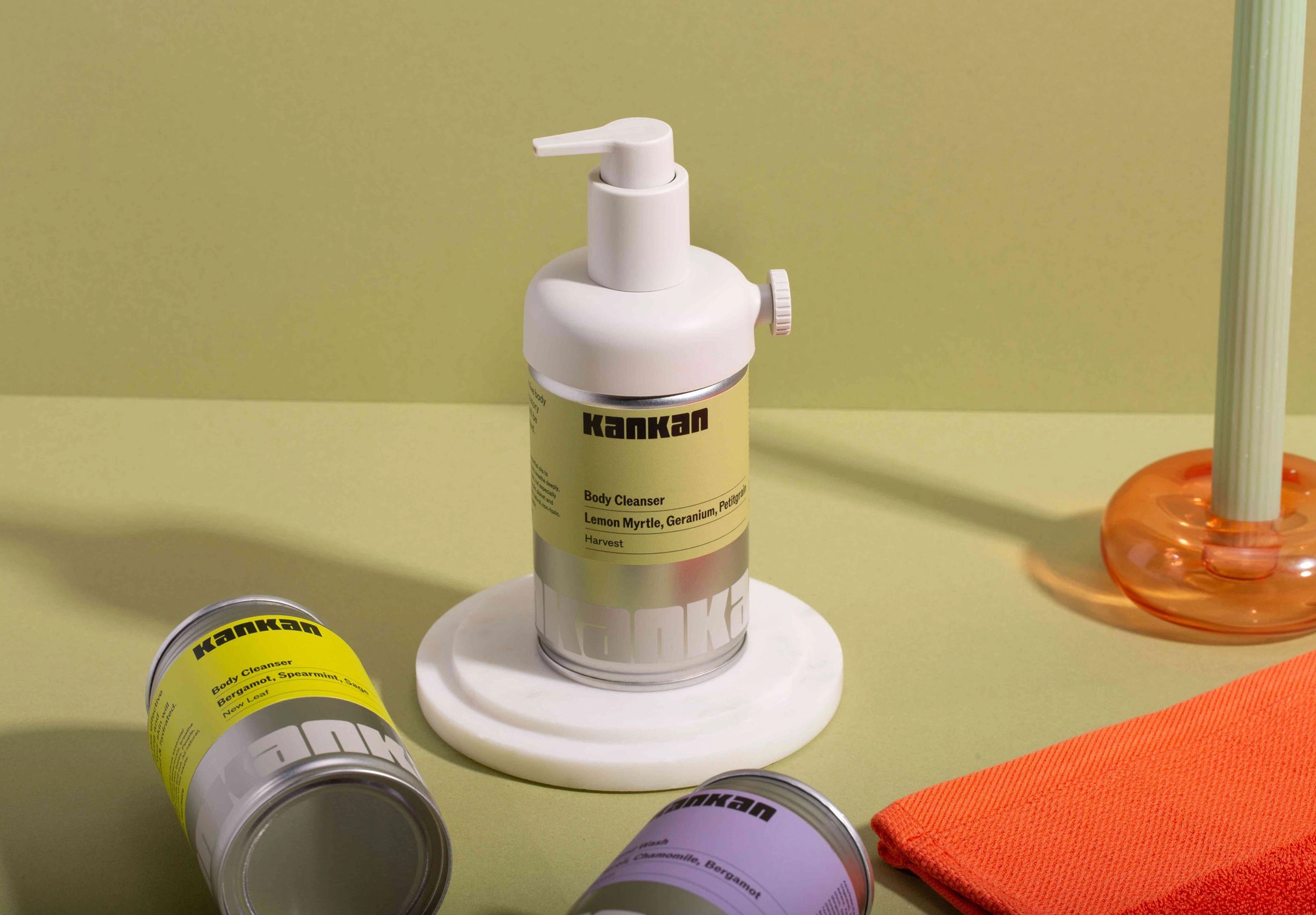
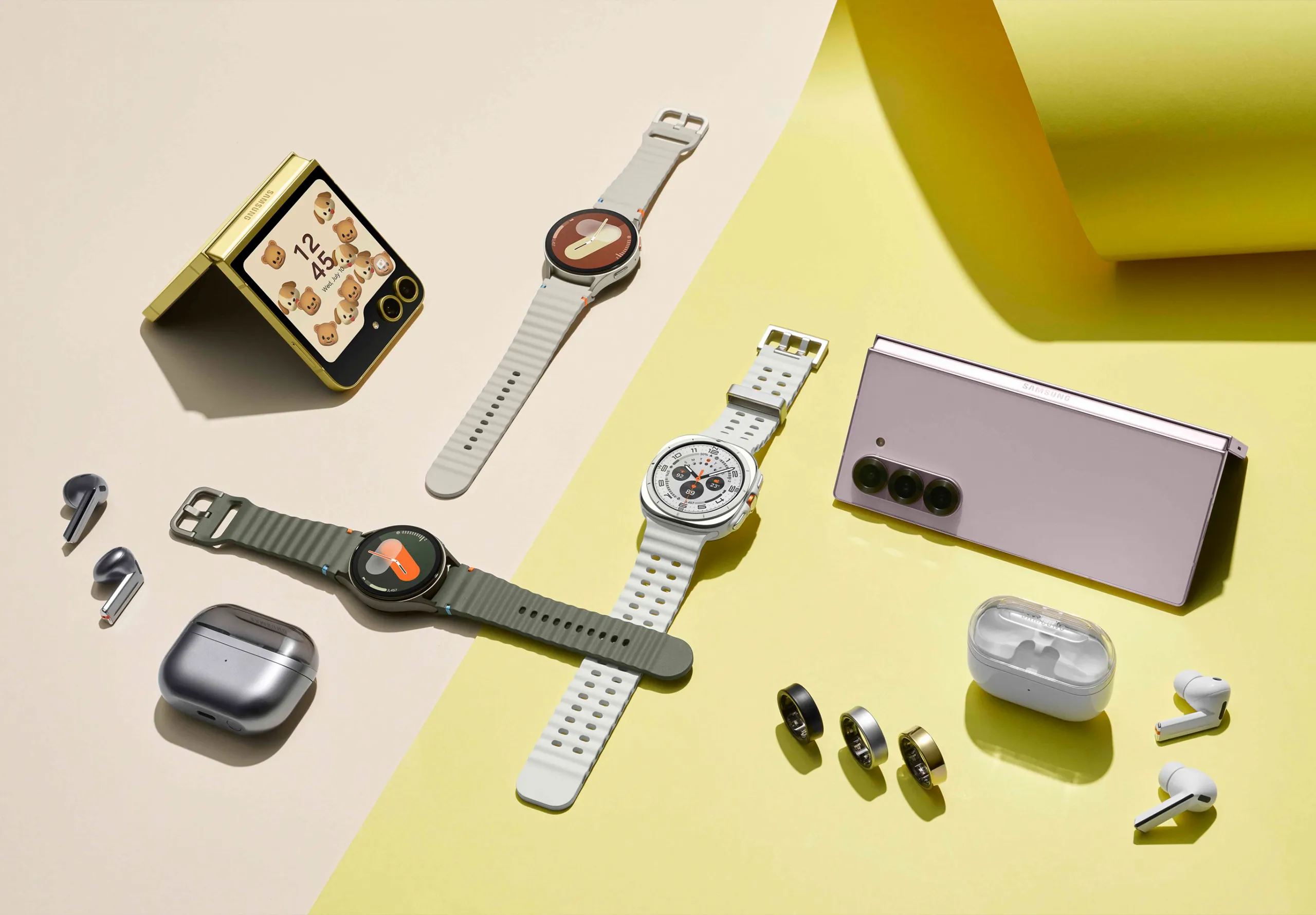
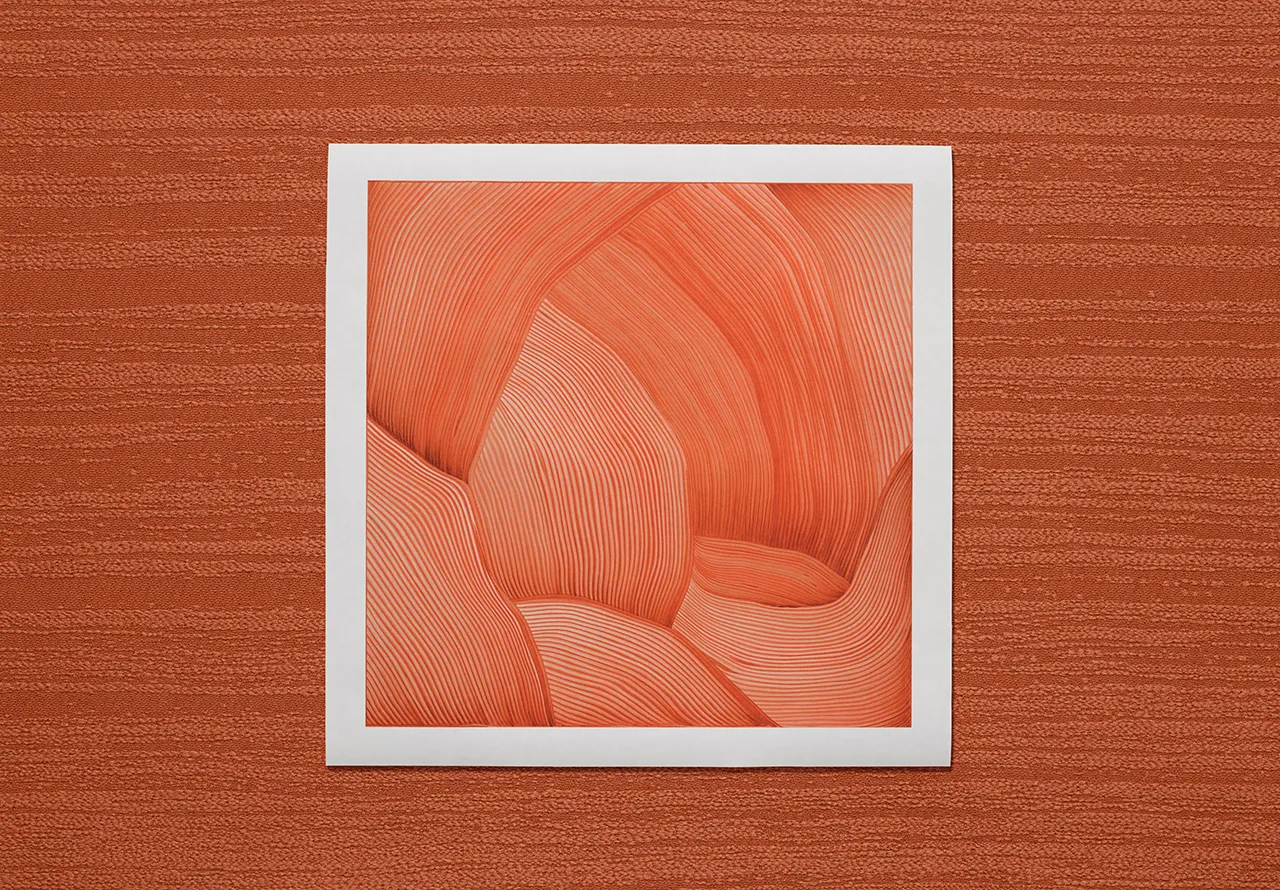
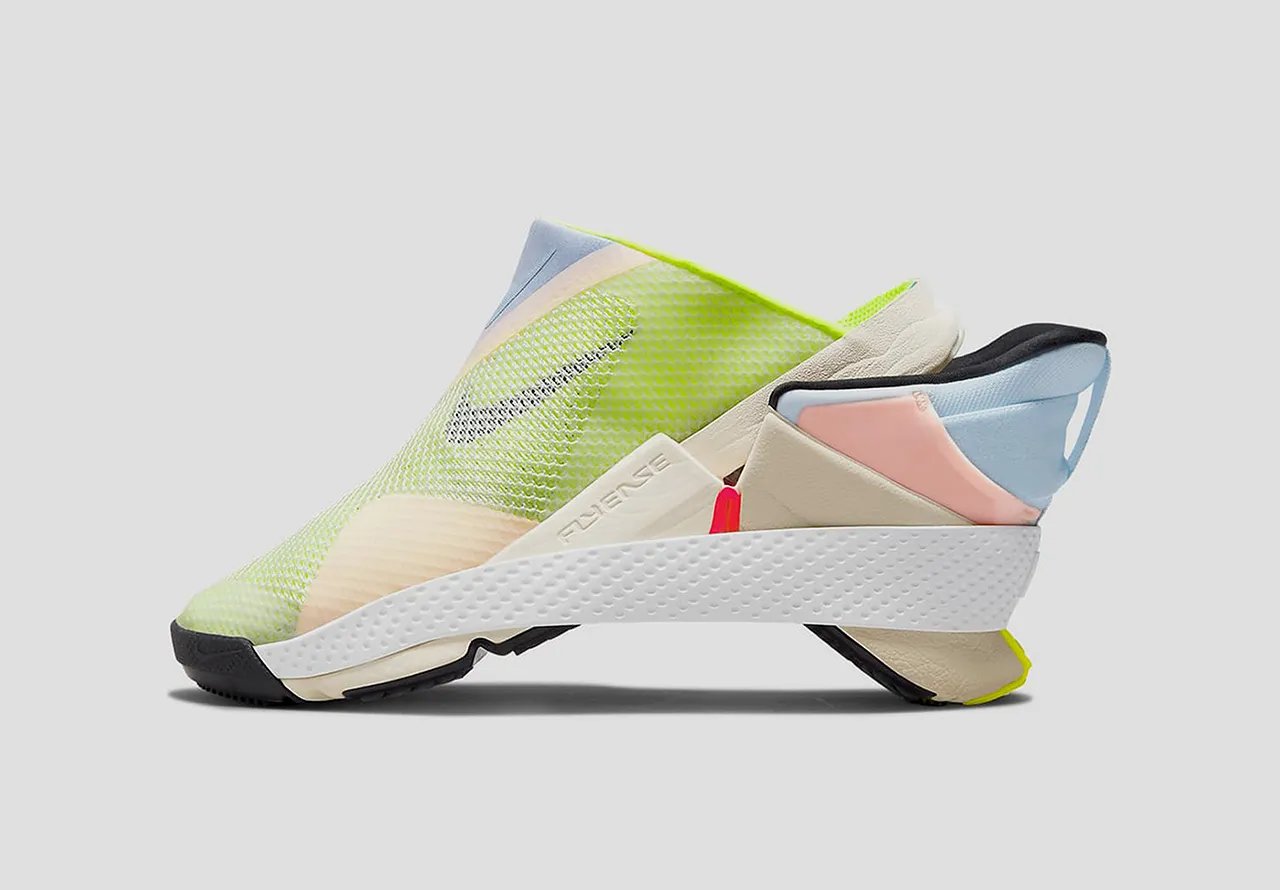
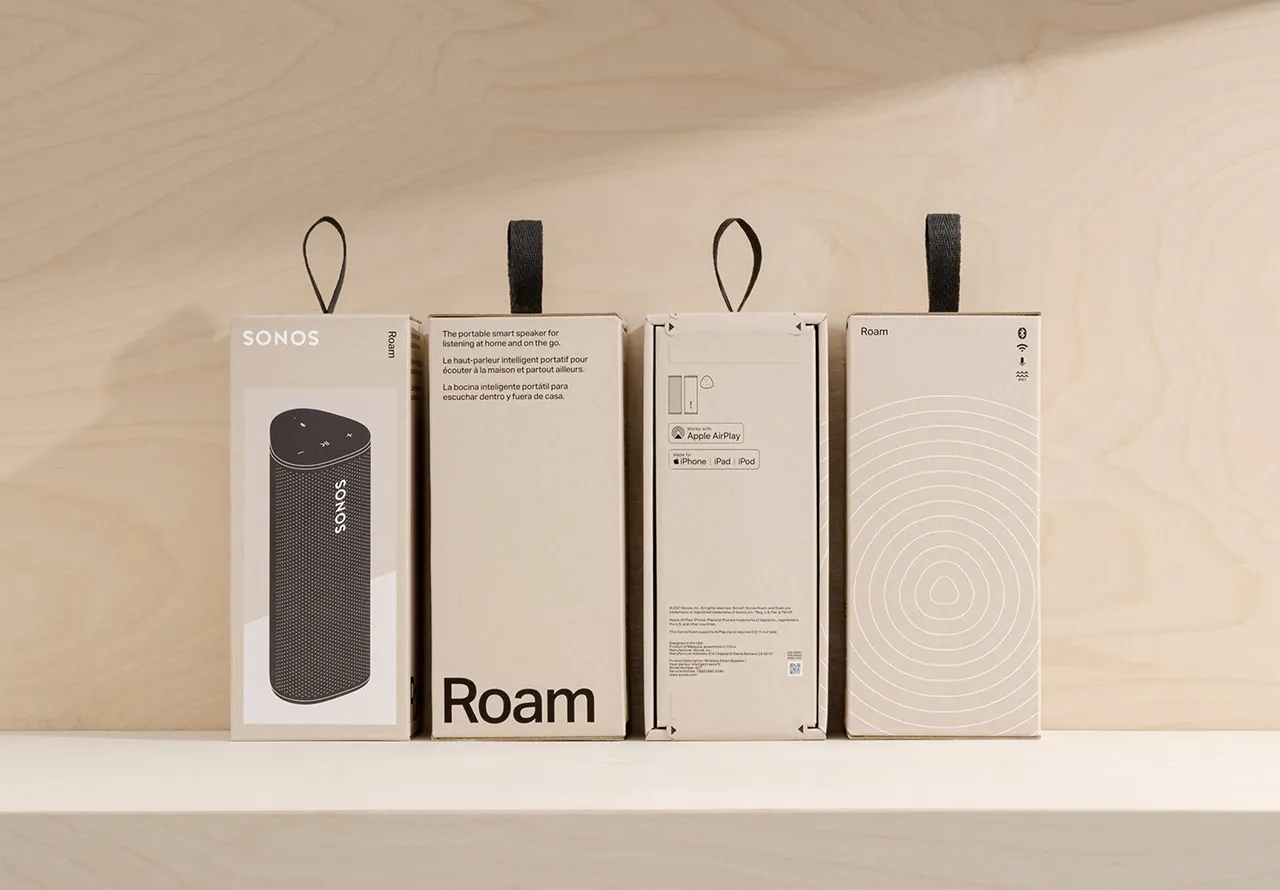
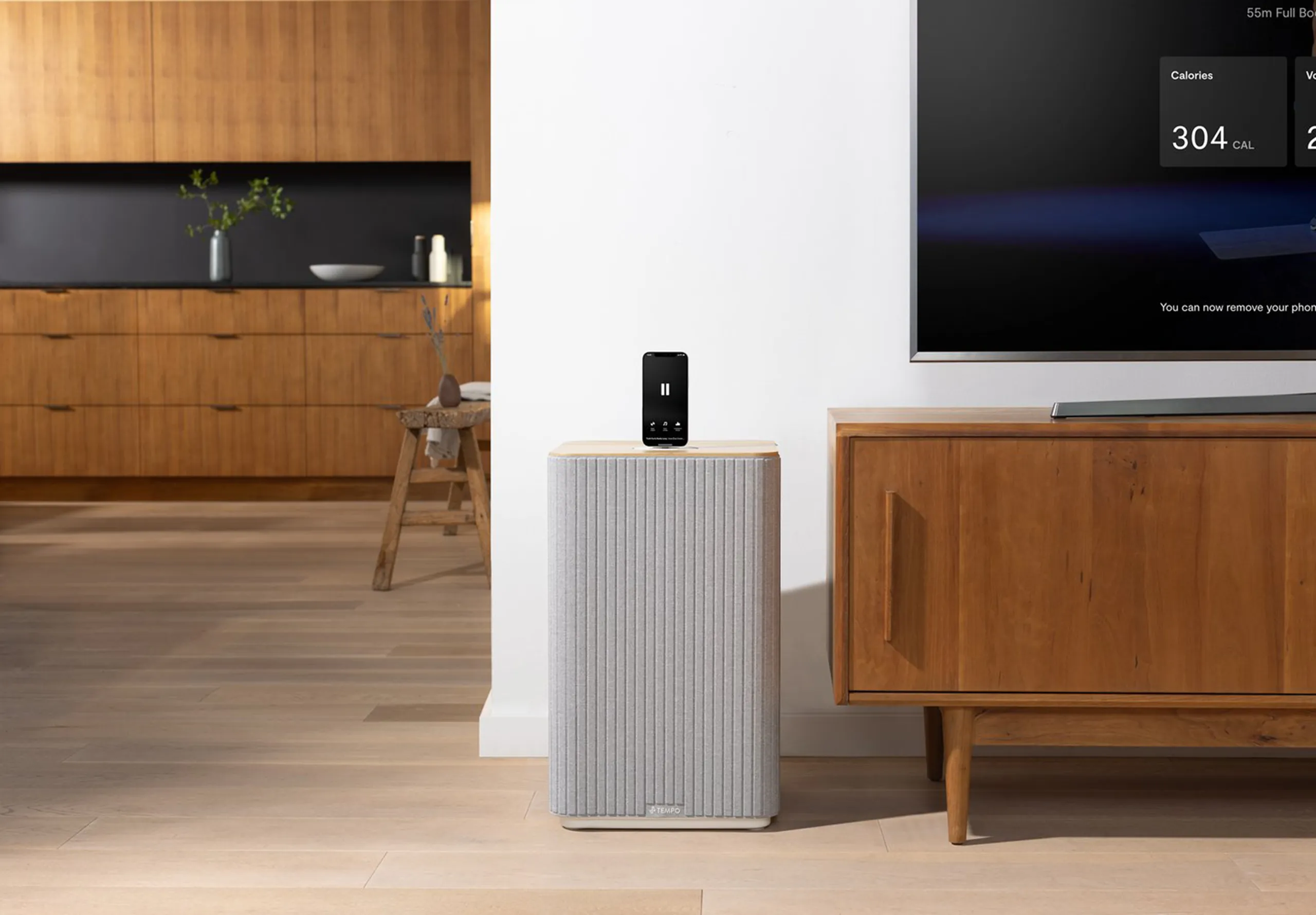
It doesn't look eco...
Regulatory pressure is finally accelerating the uptake of eco-design across consumer categories. In turn, new design languages are emerging – ones that trade the visible eco-cues of the first wave for something more considered.
Here are three approaches driven by eco-design 2.0 that we think deserve to be big.

Permanence
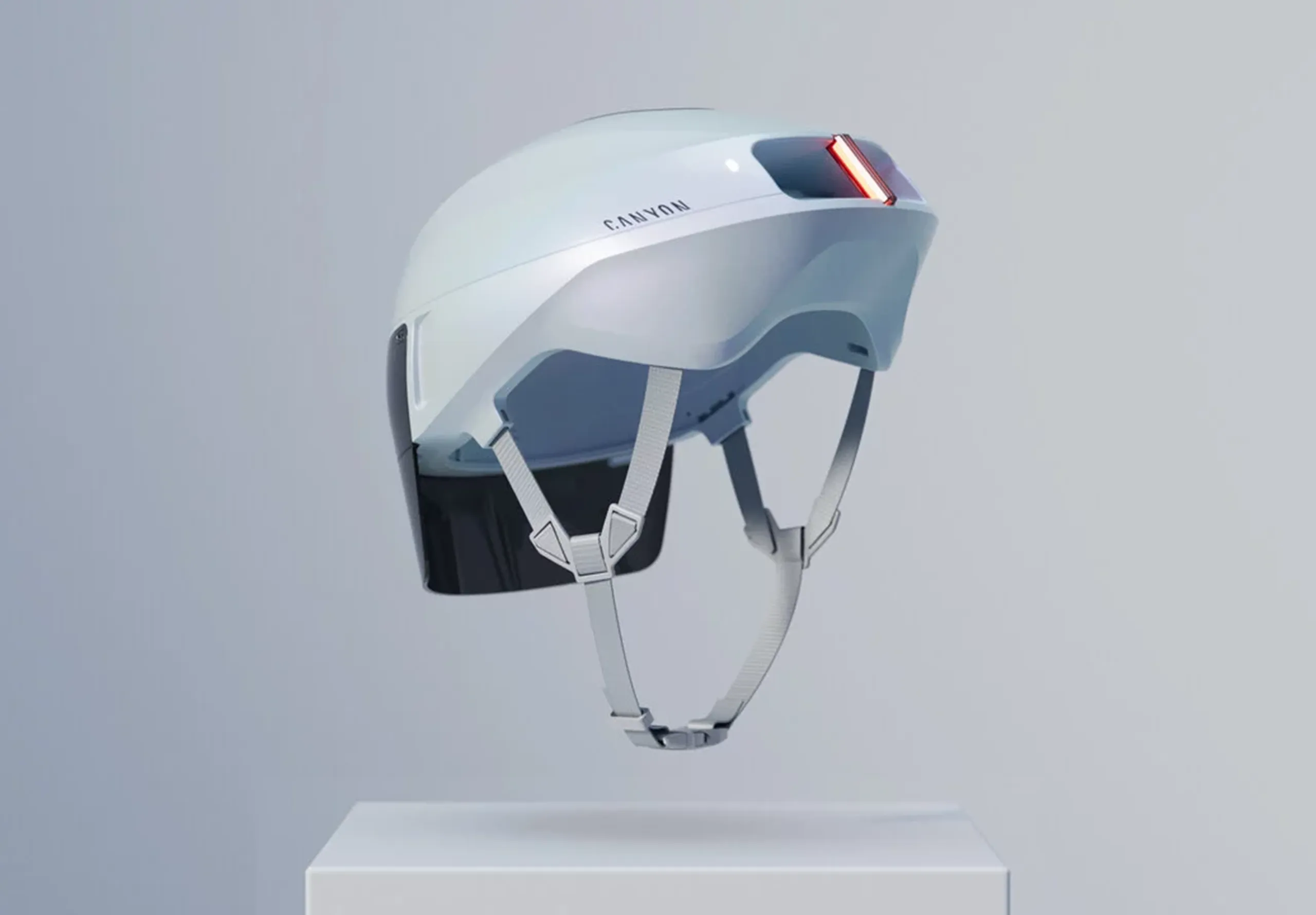
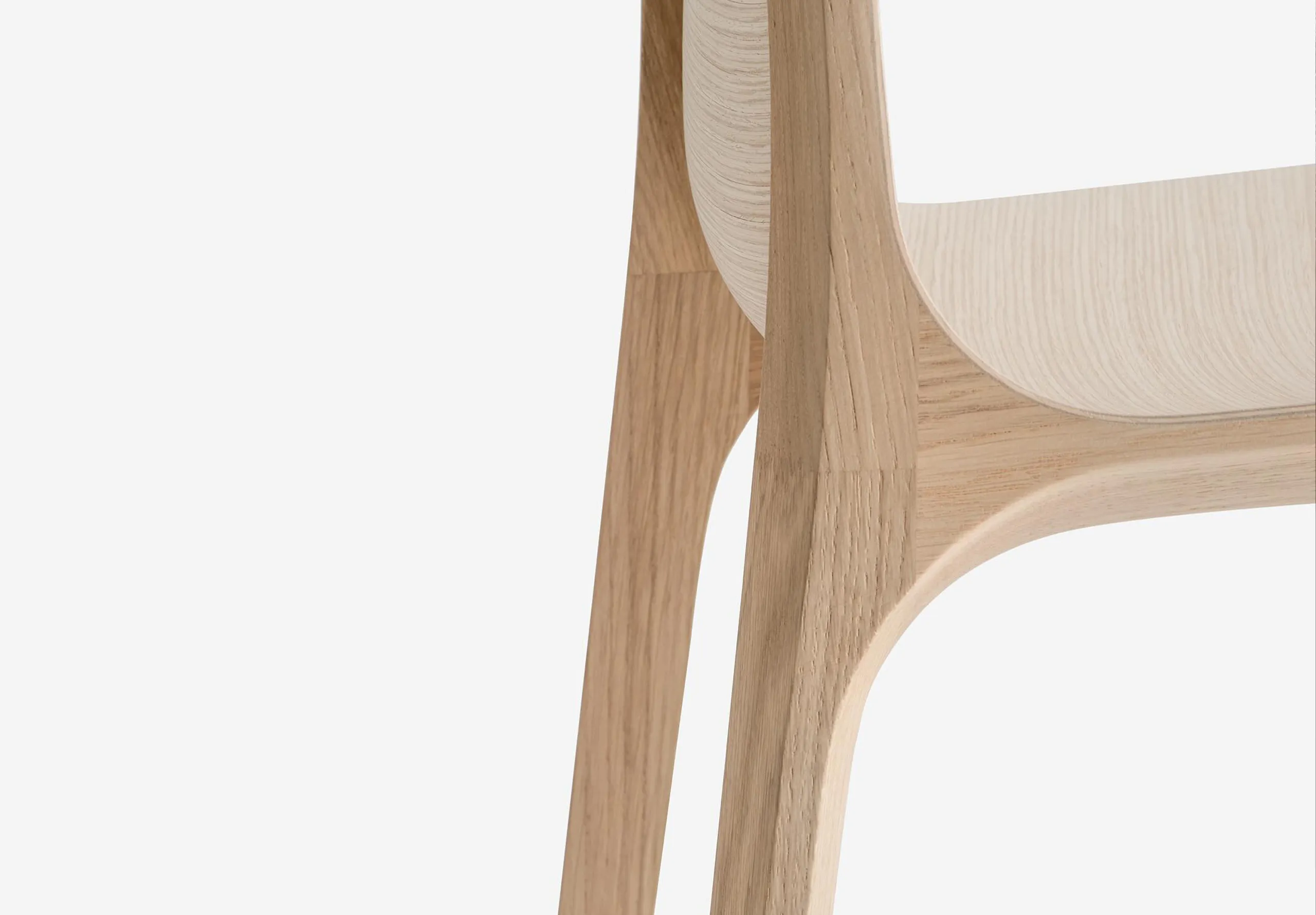
If products are expected to last longer, longevity must become part of their appeal. Yet, designing for maintenance doesn’t have to result in an industrial or overtly utilitarian language.
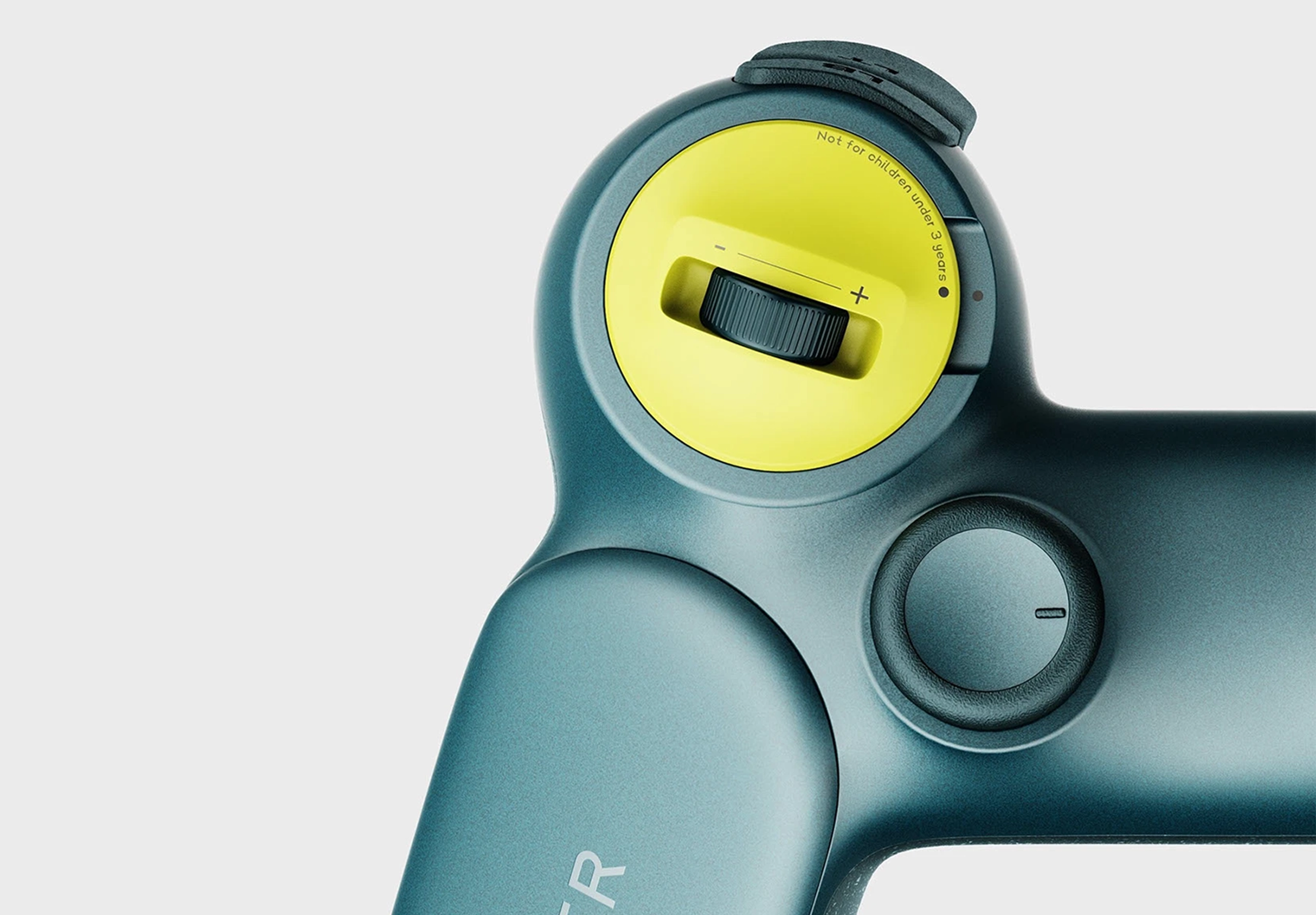
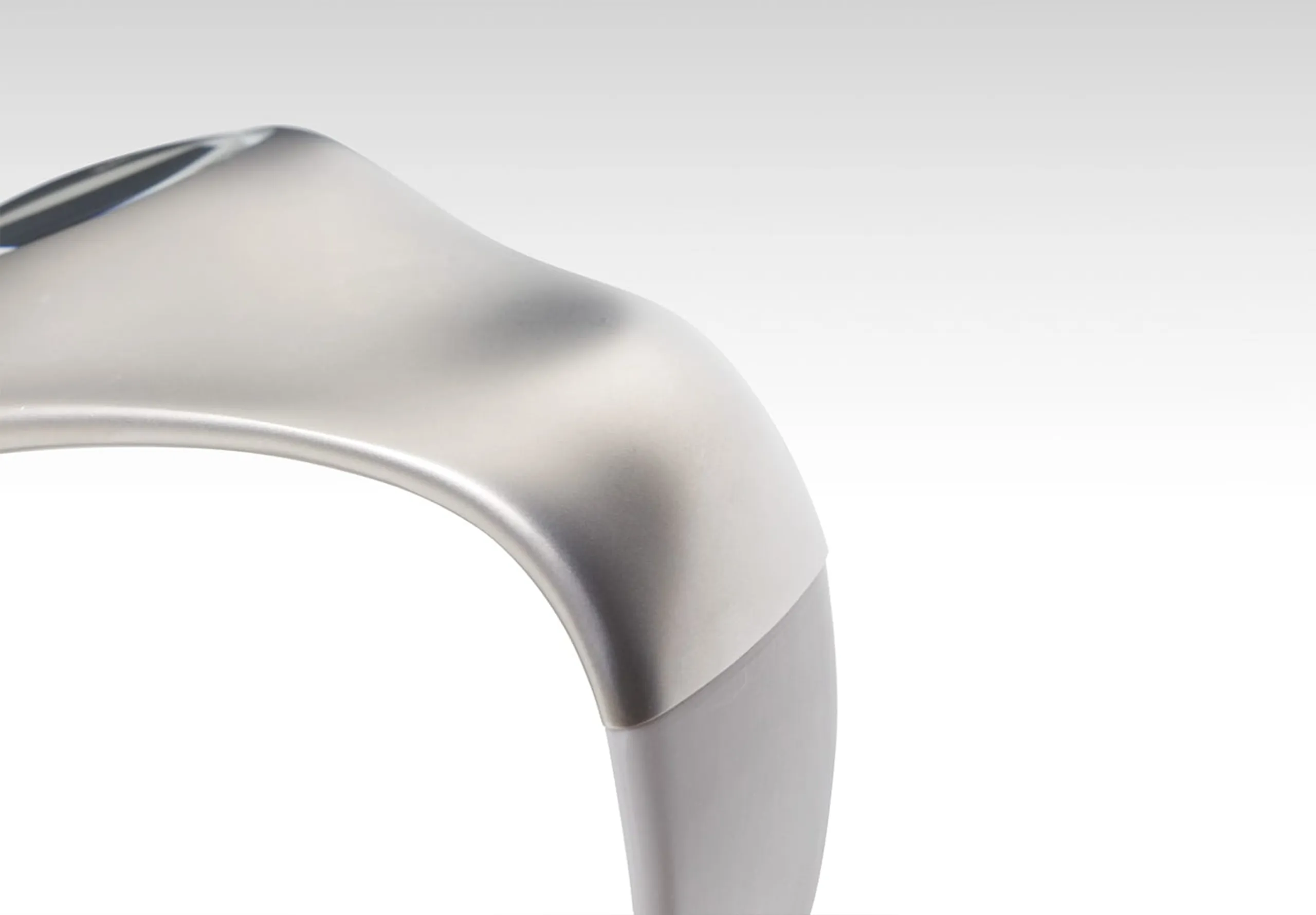
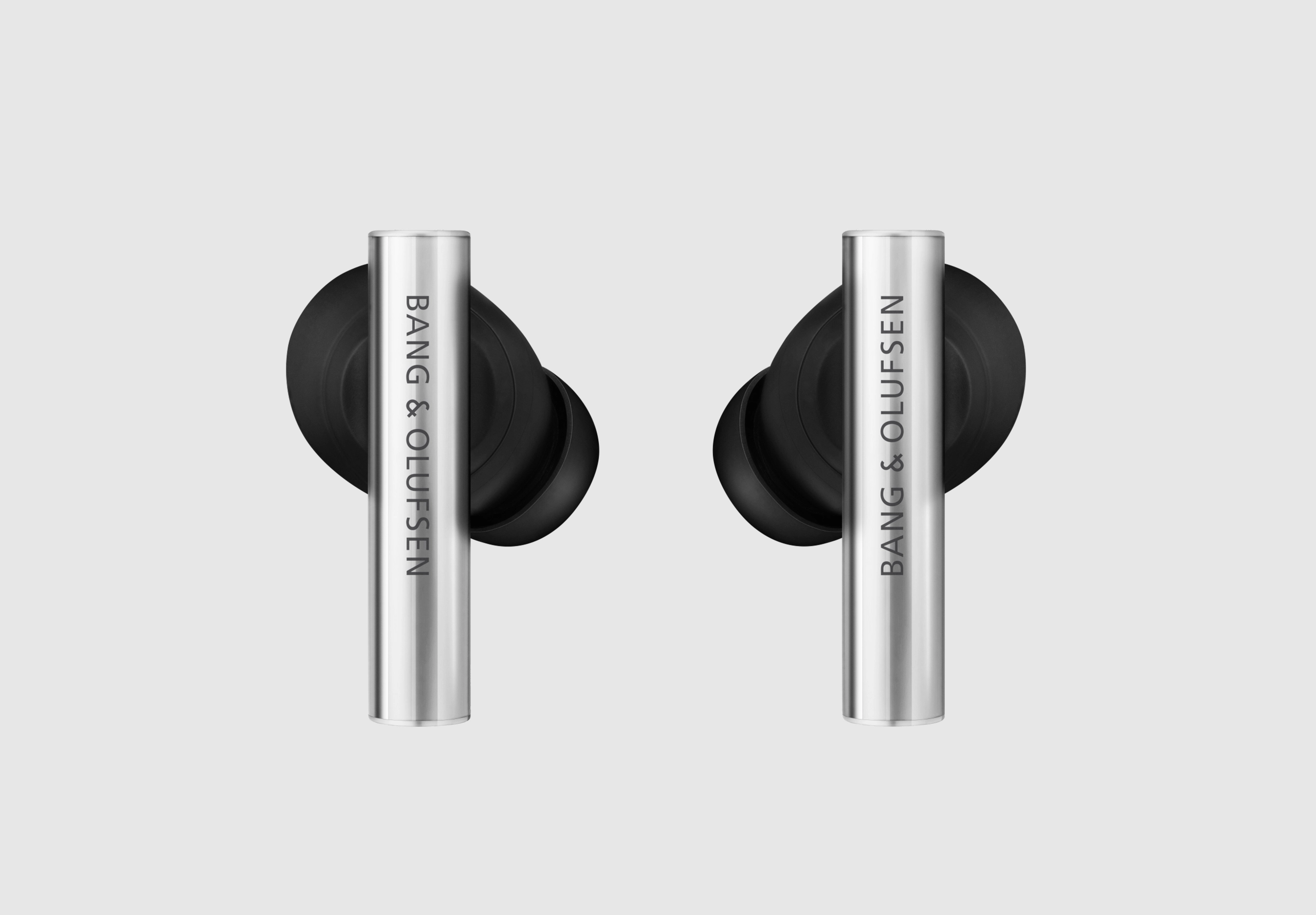
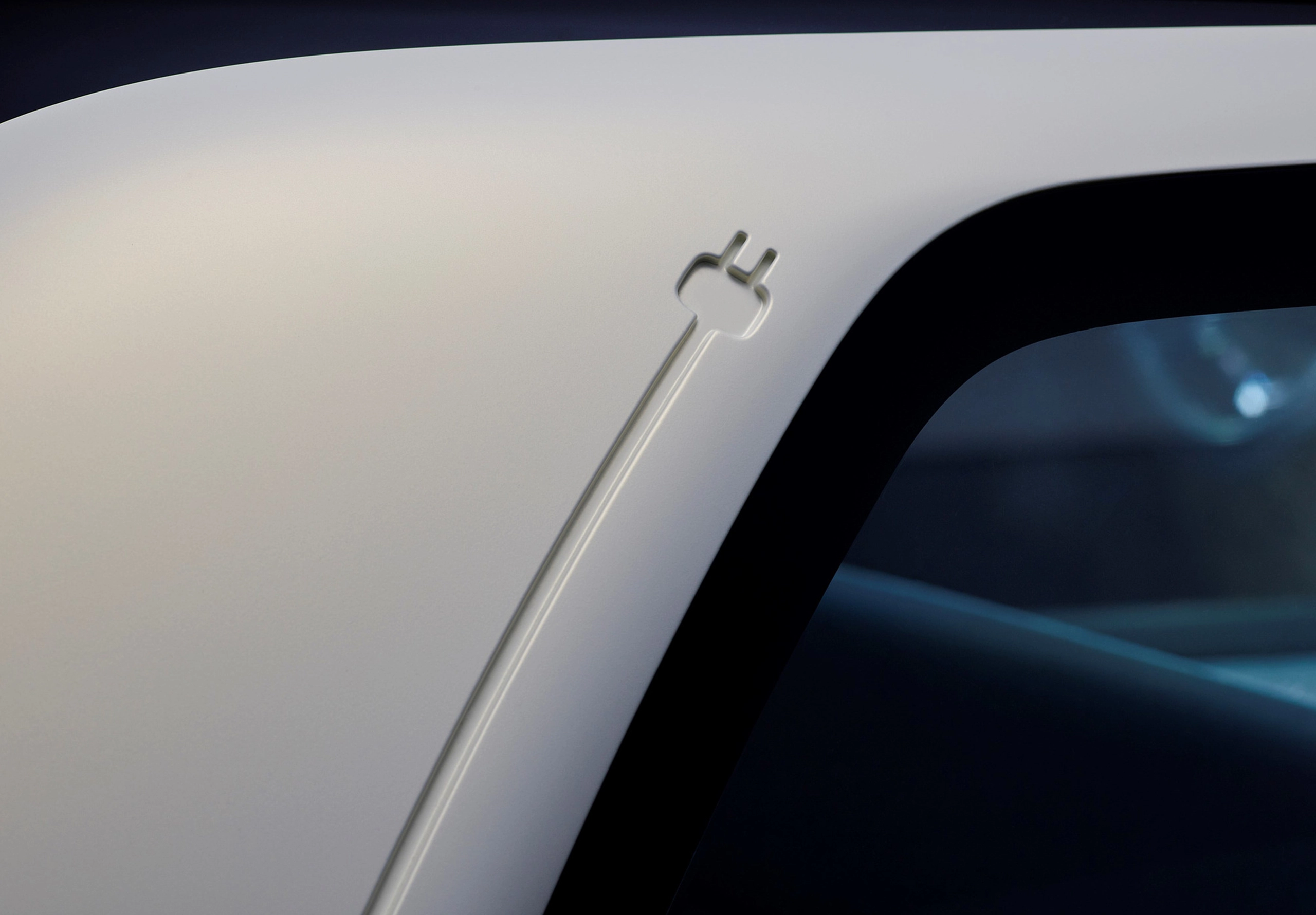
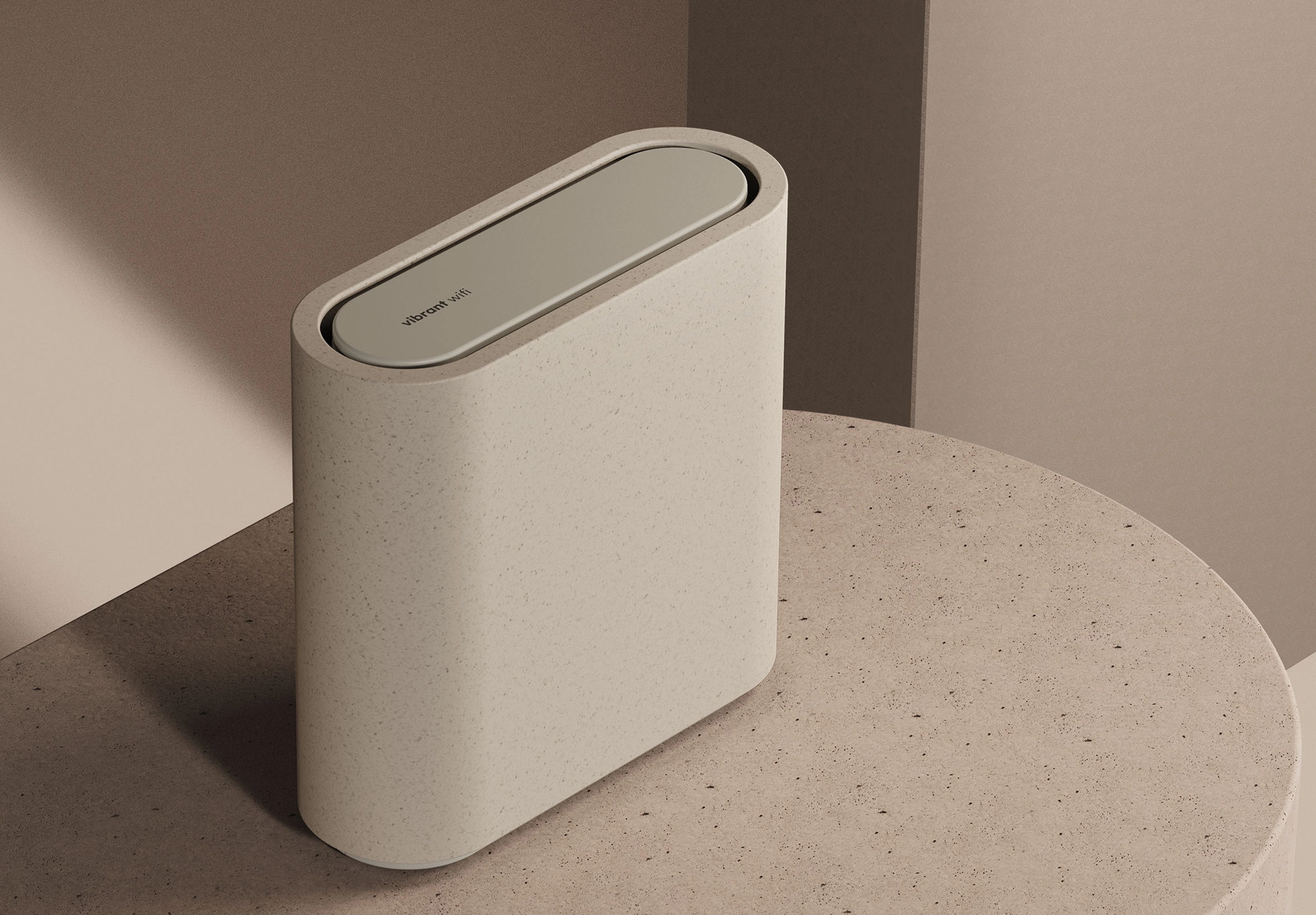
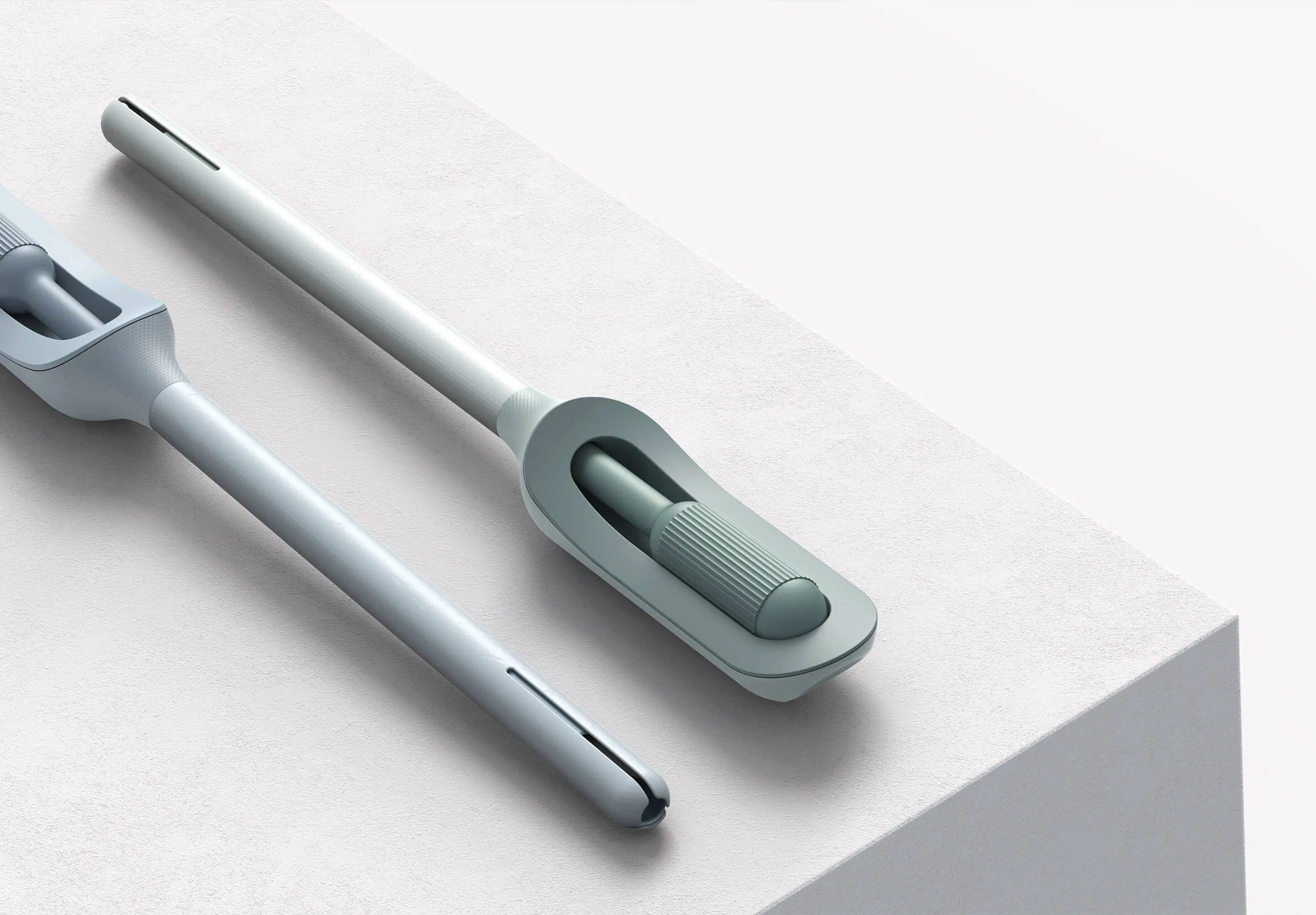
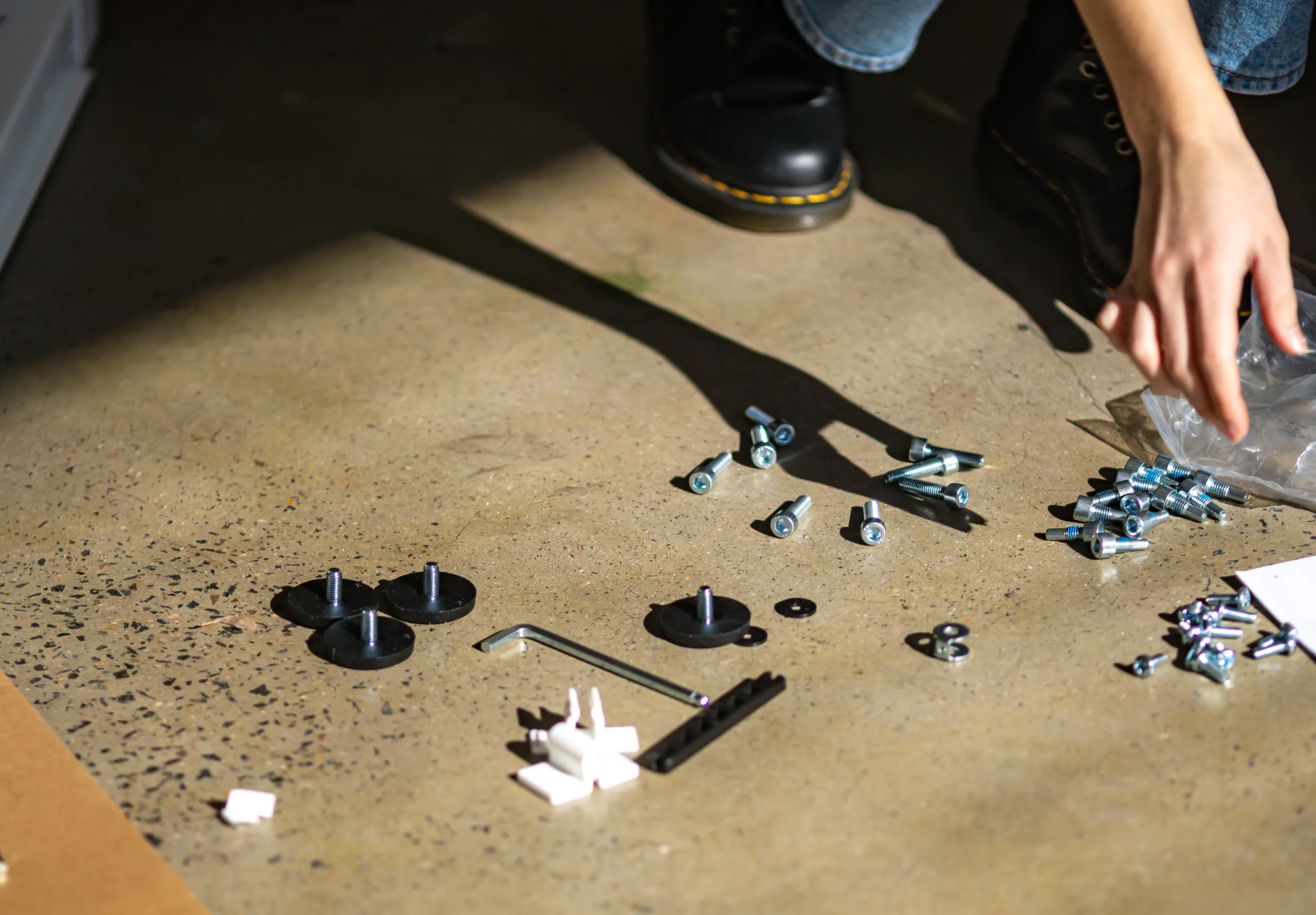
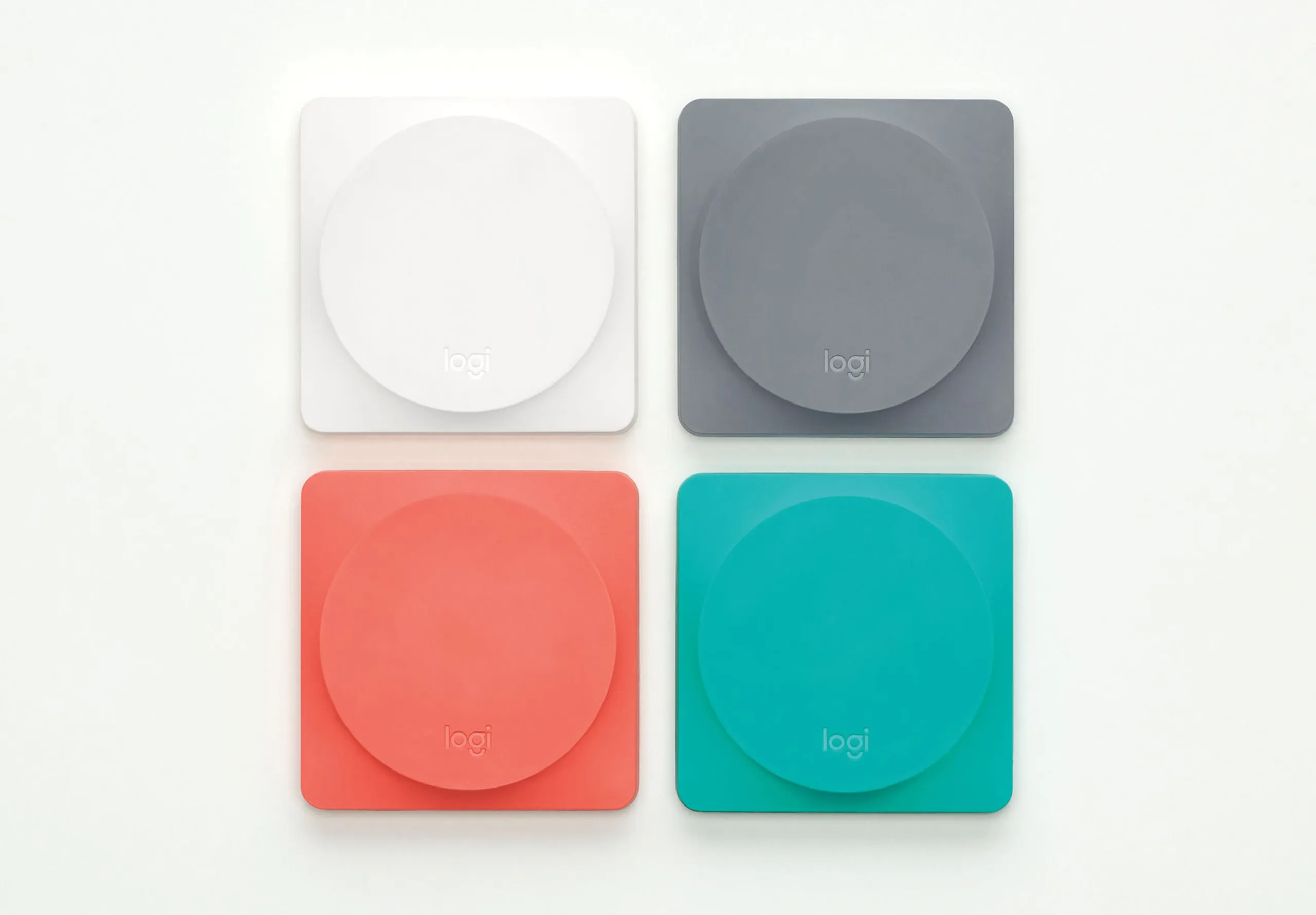
Logitech shows how repairability can be integrated into products that still feel refined and desirable. Robustness, access and replacement are enabled through quiet, simplified forms and deliberate material breaks, giving users the ability to fix, replace and even customise components. The brand has done a beautiful job to facilitate repair without making this its central visual motif – and that, to us, is where the smart play is.
Arc’teryx ReBird takes the opposite route. Repair becomes a reason to walk back into store, woven into the brand’s premium, built-to-last credentials under the line “keep the good in play.”
Credits and further reading


Material Minimalism
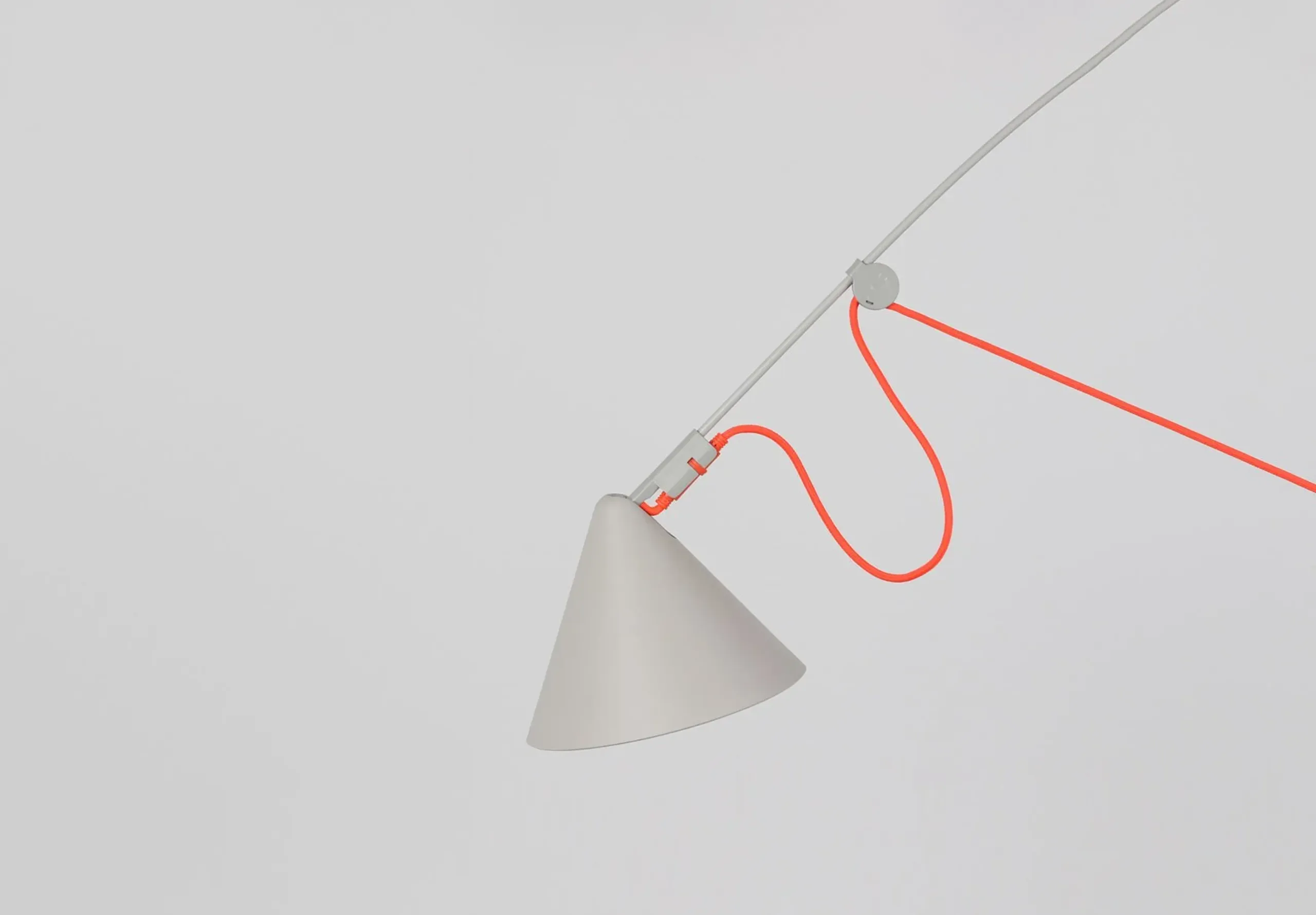
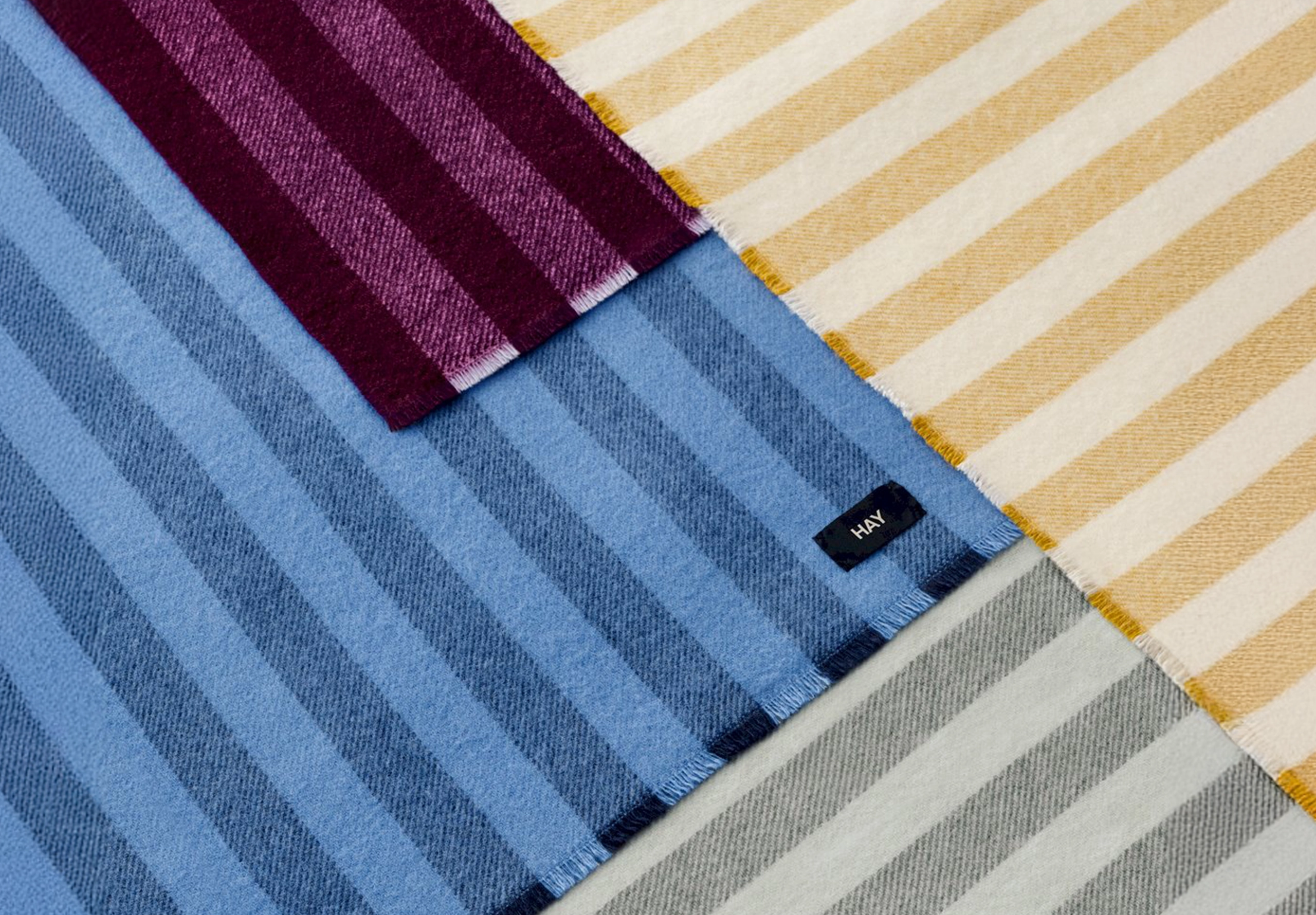
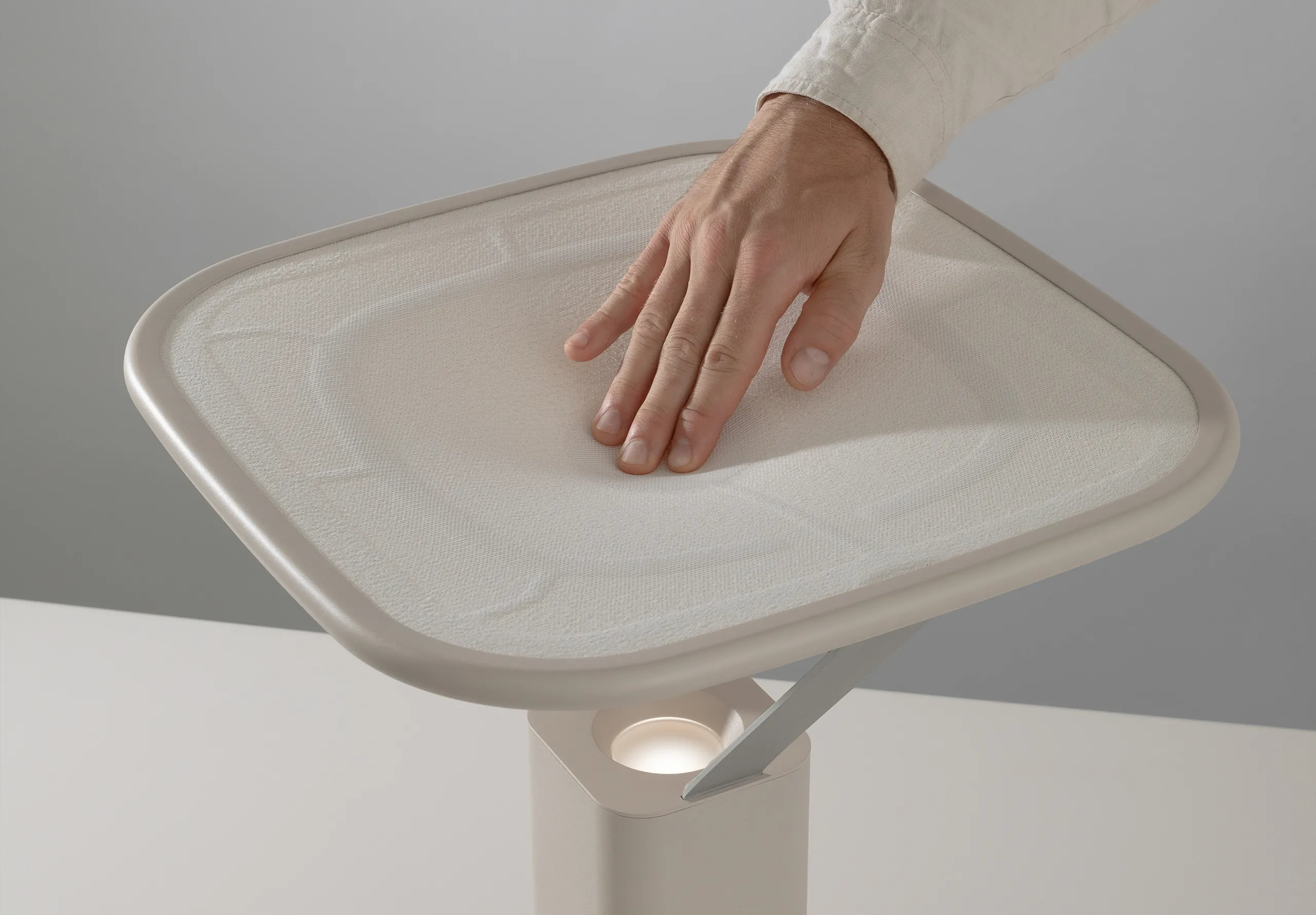
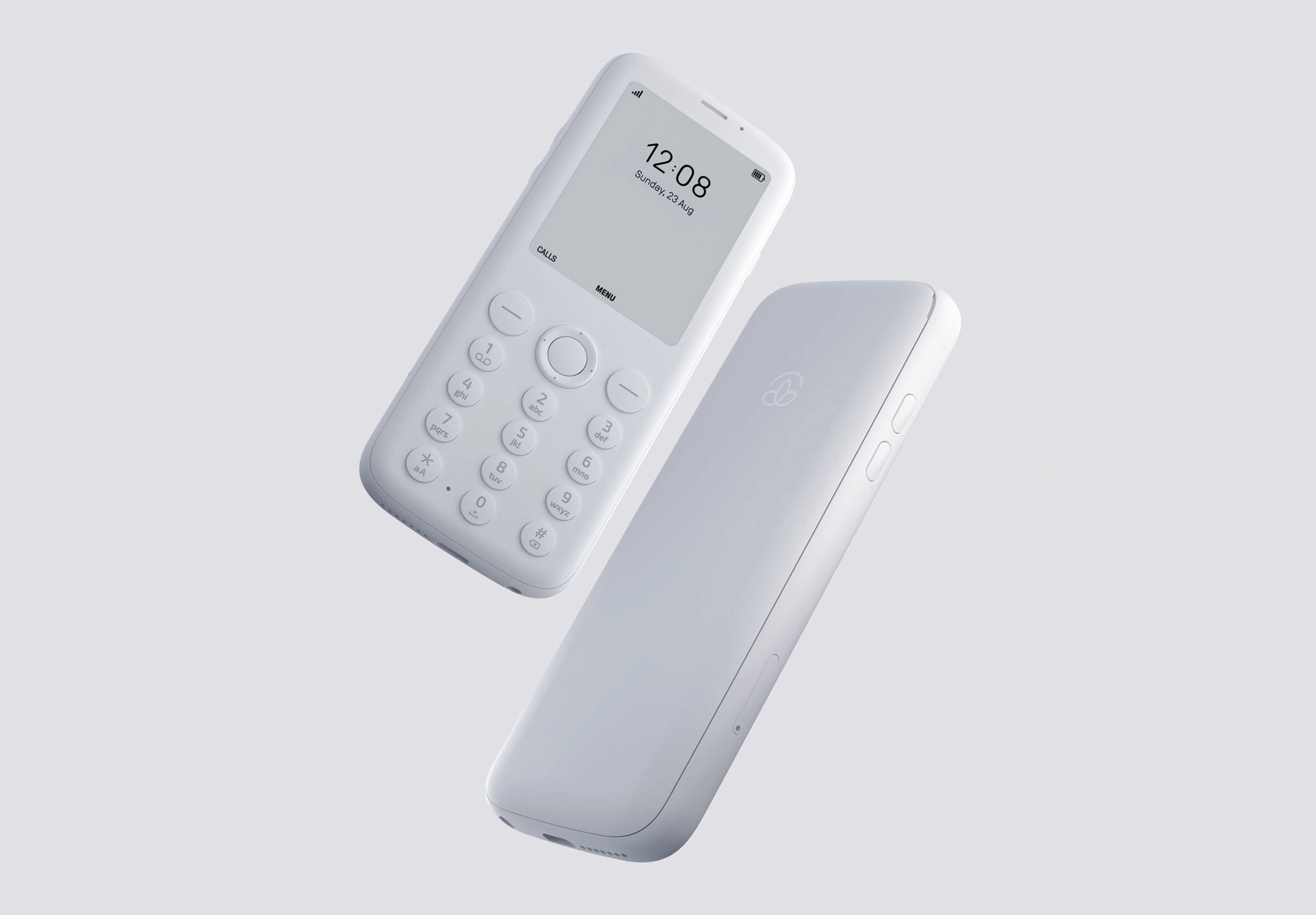
Fewer materials, fewer processes, each one resolved with more precision than before – that’s the whole discipline.
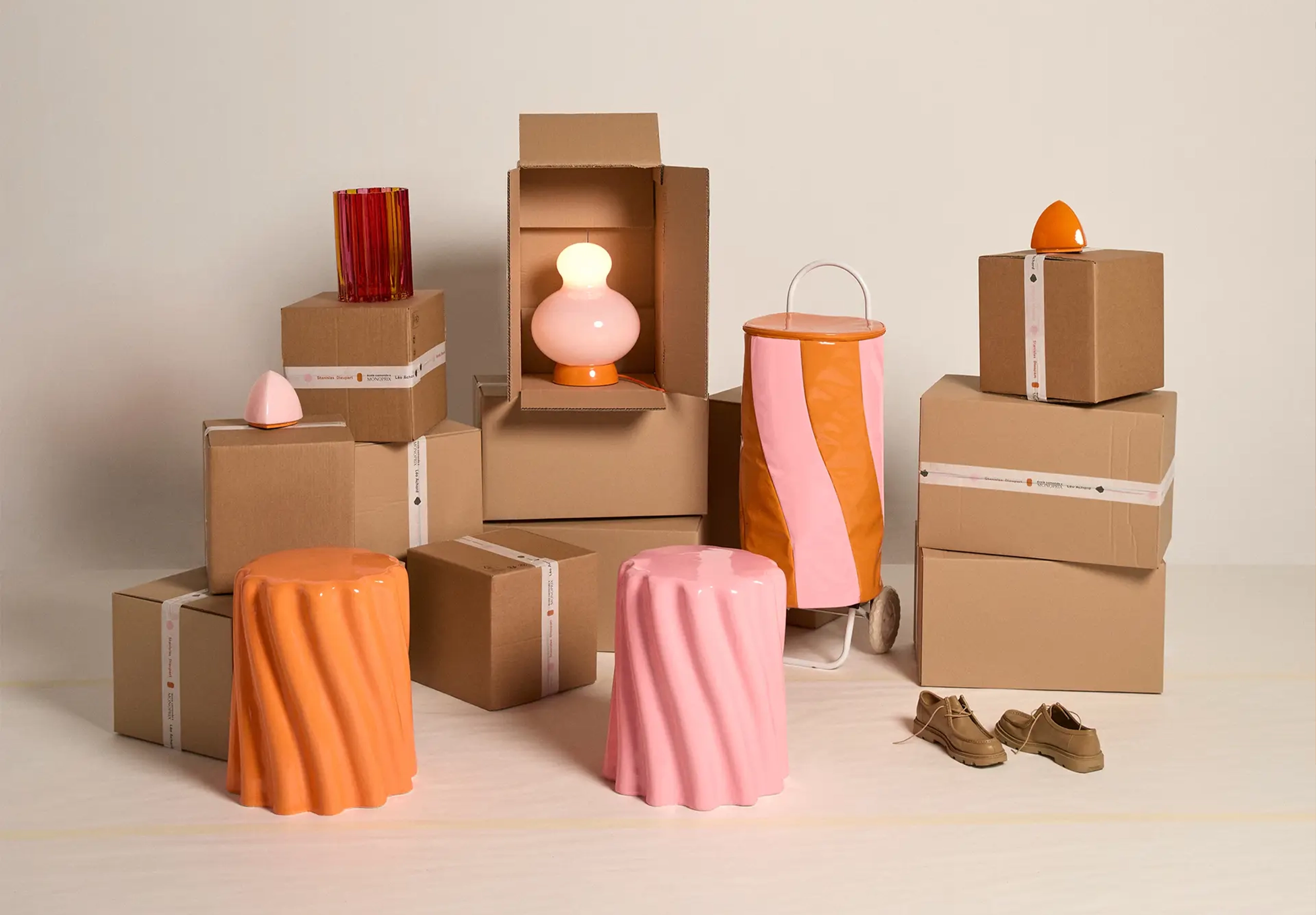
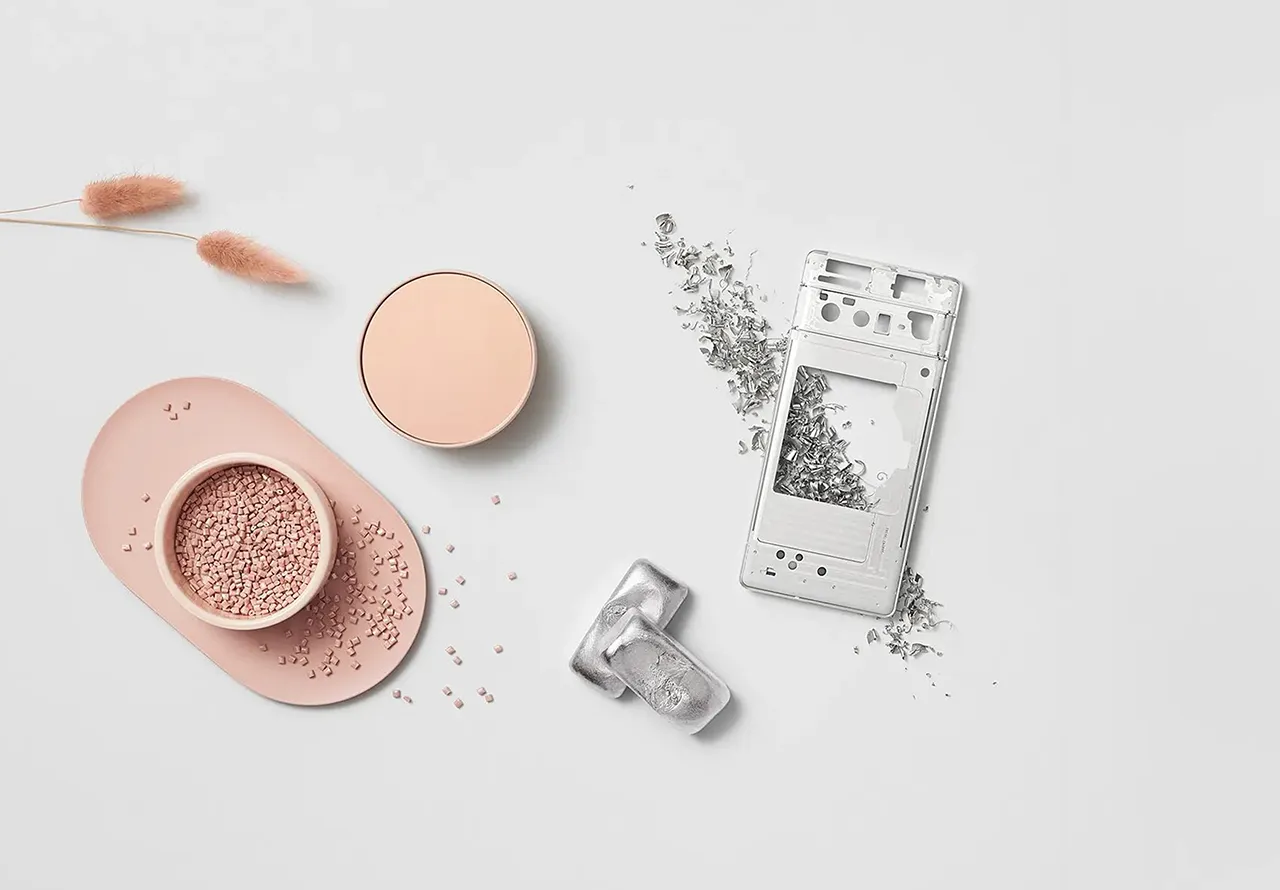
Recrafted by Google Pixel builds on this idea with real joy. Years of yarn remnants from Pixel Watch and Fitbit band development get knotted, plaited and tasselled into a run of beautiful phone wristlets and charms worth celebrating in their own right.
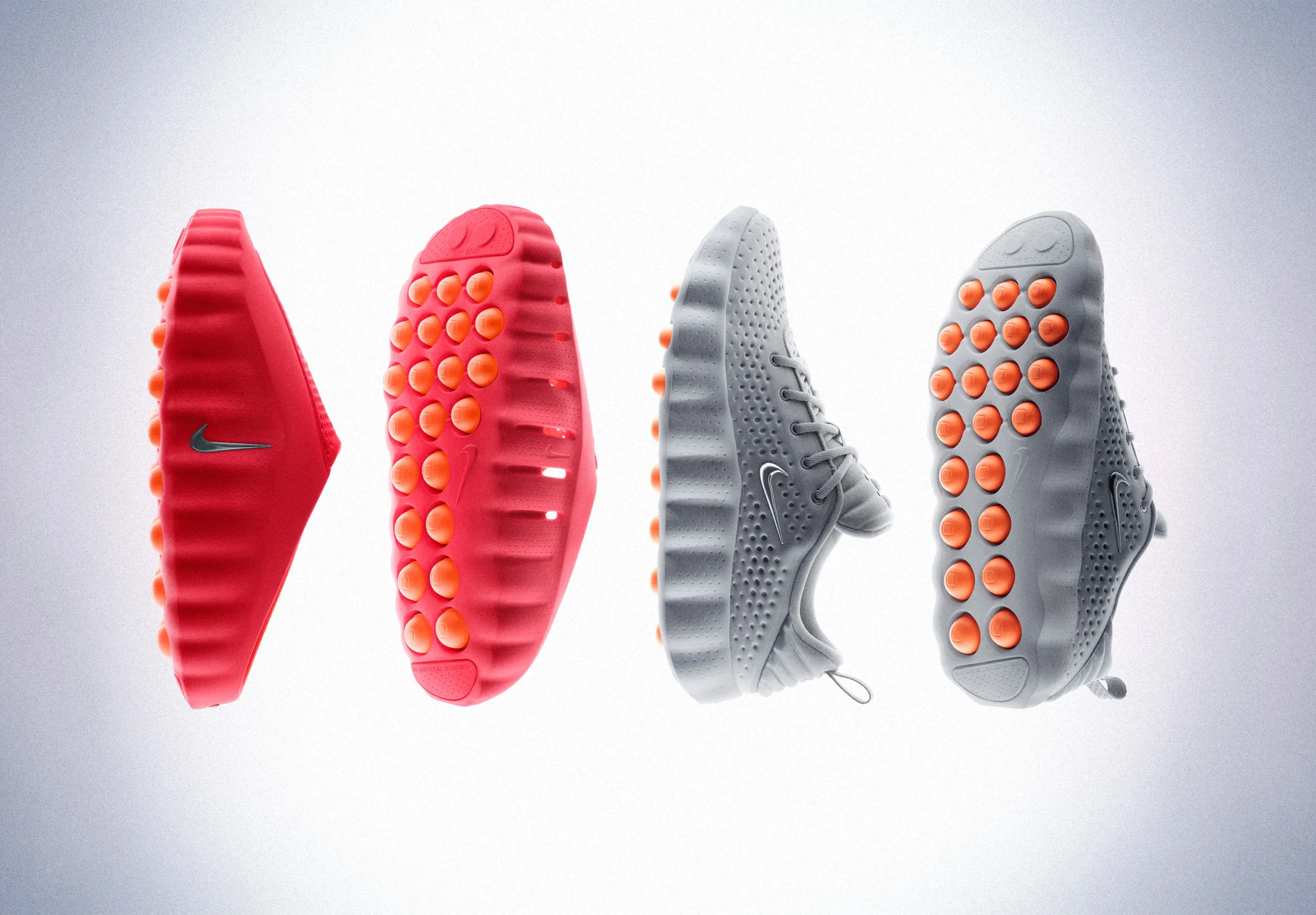
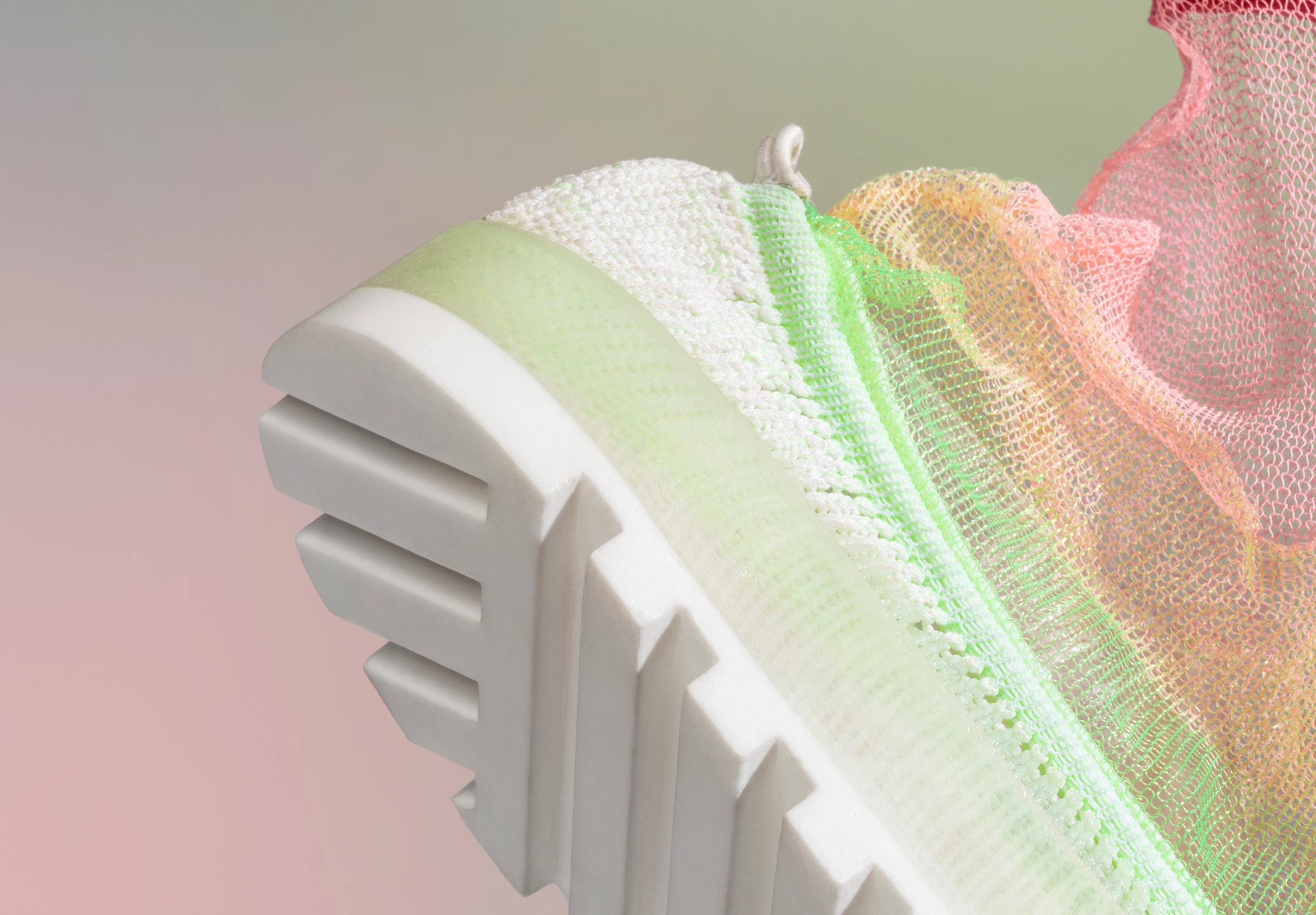
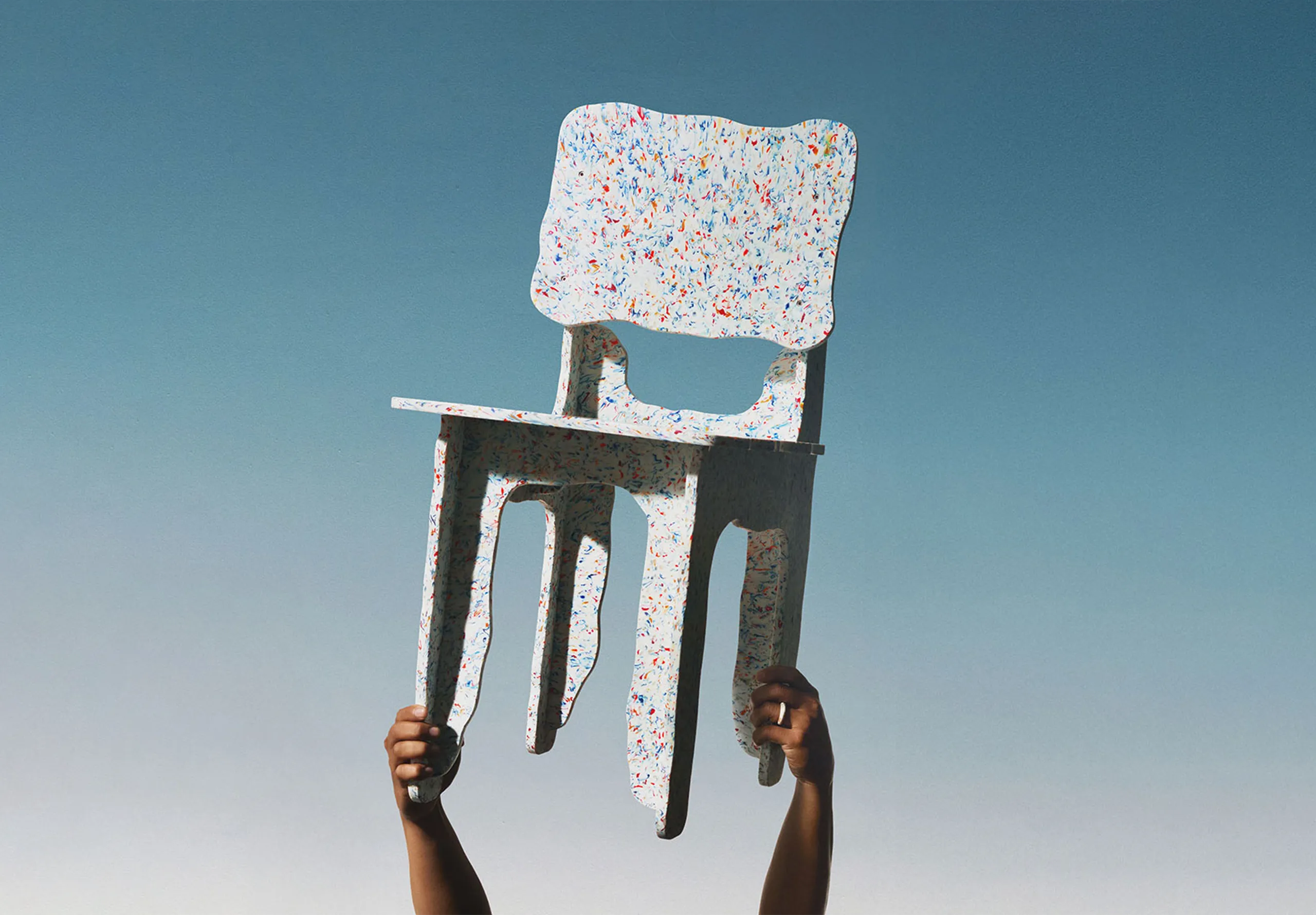
Meanwhile, On’s LightSpray deposits a shoe upper directly from thread, deleting the cut, stitch and glue sequence altogether. What’s left, once process falls away, is all surface. Print and form carry more of the story now, because there’s less material left to tell it.
Credits and further reading


Material Honesty
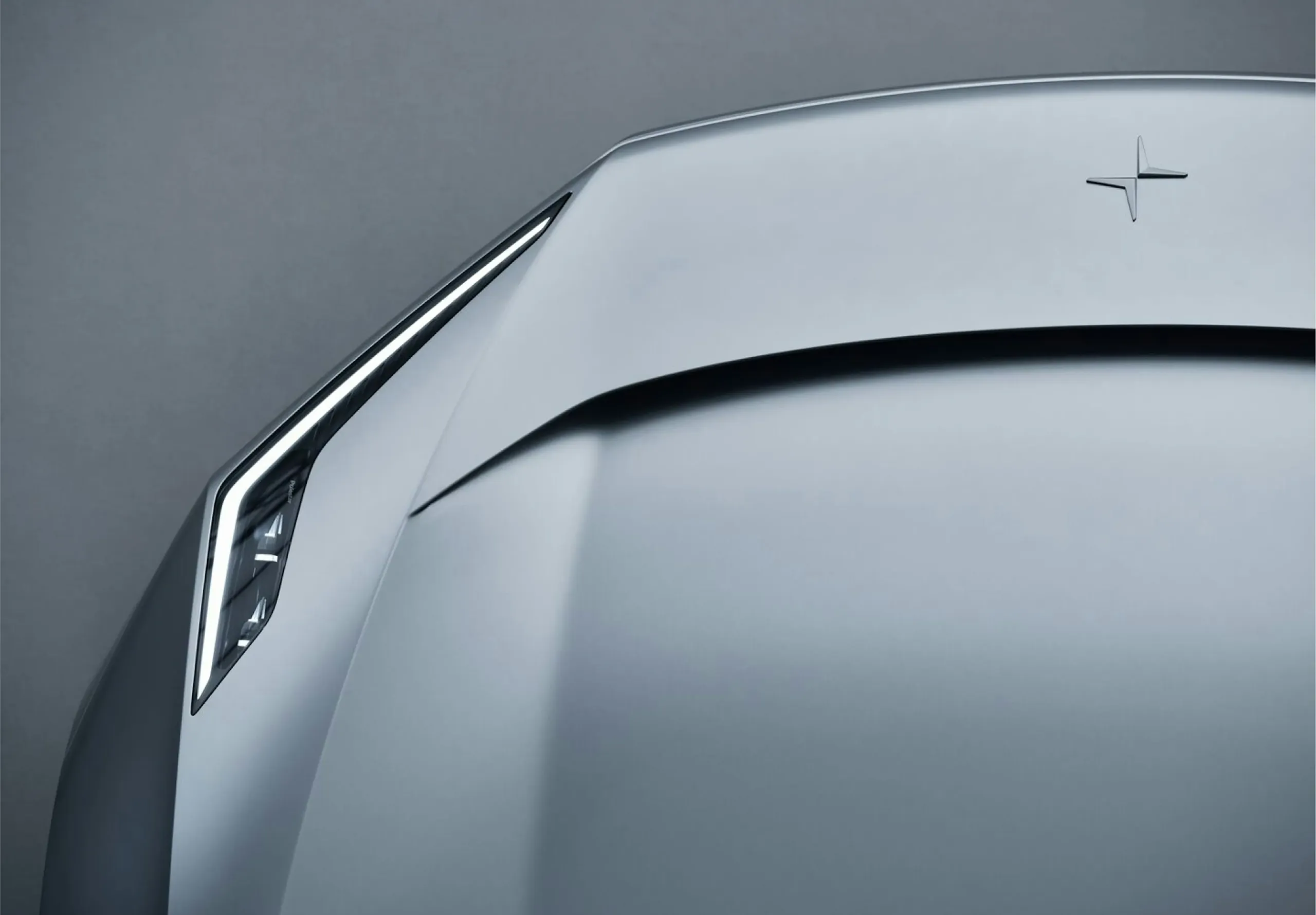
Unfinished is the new finished, and Polestar’s Precept proves sustainable materials can look genuinely desirable: 3D-knitted recycled textiles, flax composites, no leather, no wood. The result is Polestar’s signature futuristic design language, underpinned by materials that are equally forward-looking – sustainable, innovative and built around a different idea of luxury.
Similarly, in former Volvo designer Julien Fesquet’s V77 concept, we see brushed, unlacquered aluminium, a pixelated dot-matrix grille, and diamond-pattern wheels pulled from a sci-fi sketchbook.
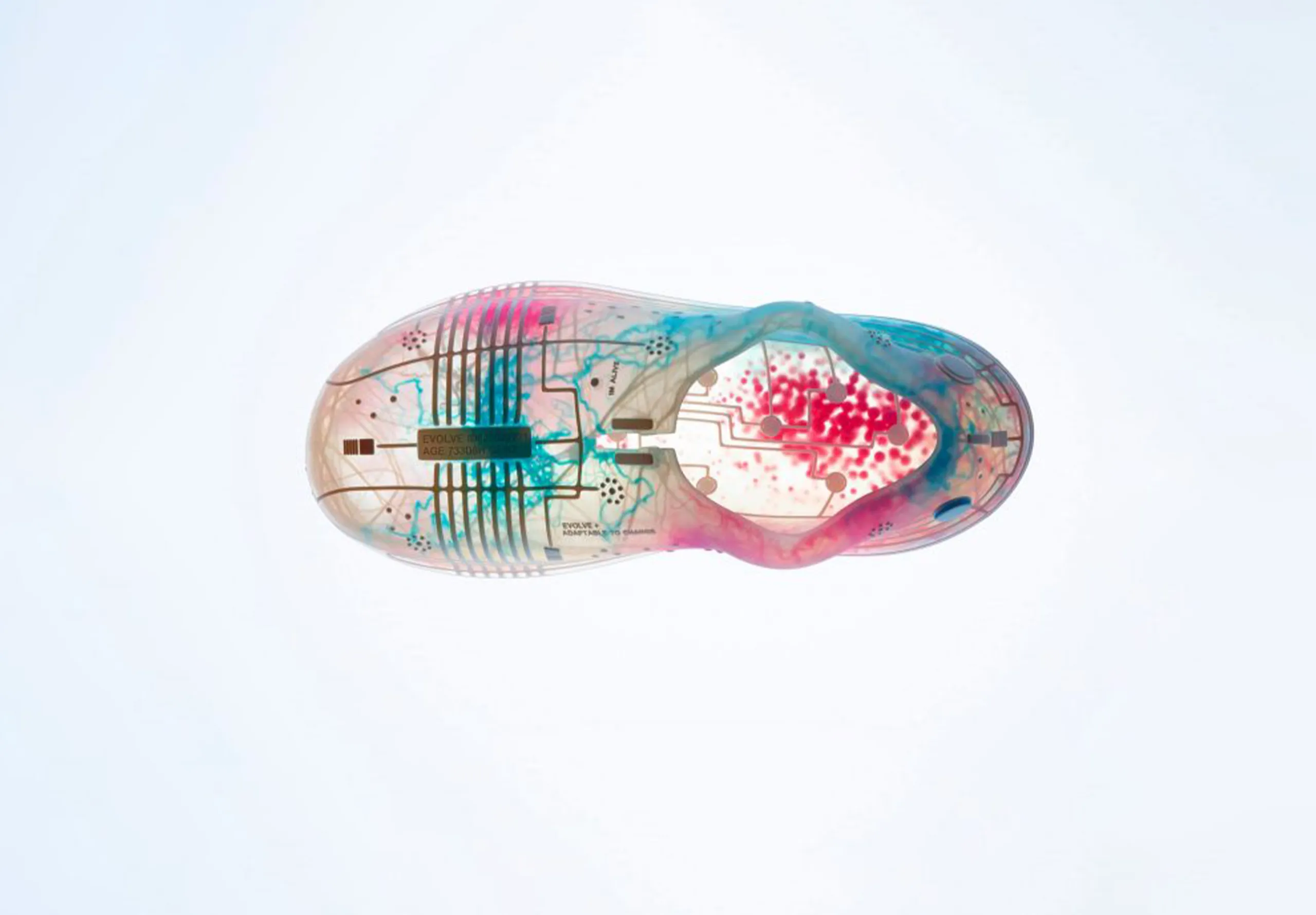
Oxman takes the idea somewhere stranger, setting advanced fabrication against biomimicry and grown materials until engineered and organic become hard to tell apart.
Credits and further reading


Pressure becomes play
As regulation raises the baseline, the opportunity shifts from simply meeting new standards to using them as a creative brief.
Beyond a homogenous “eco-look”, brands across categories can adopt sustainability into their own design language and use it to create expressions that are desirable and unmistakably their own.
At Rodd, we help innovative brands do beautiful things. If this is a conversation your team needs to have, we’d love to be in the room.
Ready to discuss this for your brand?